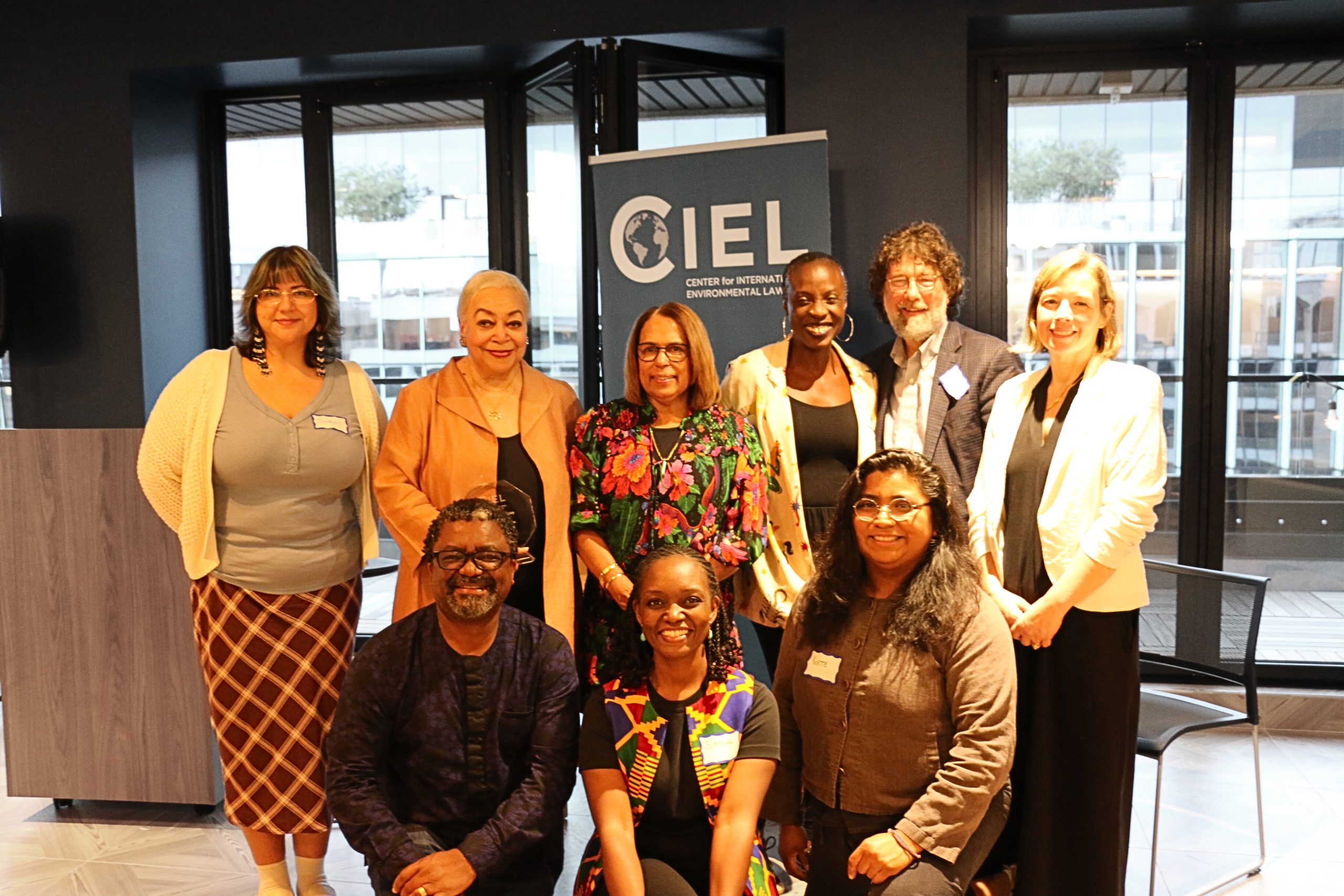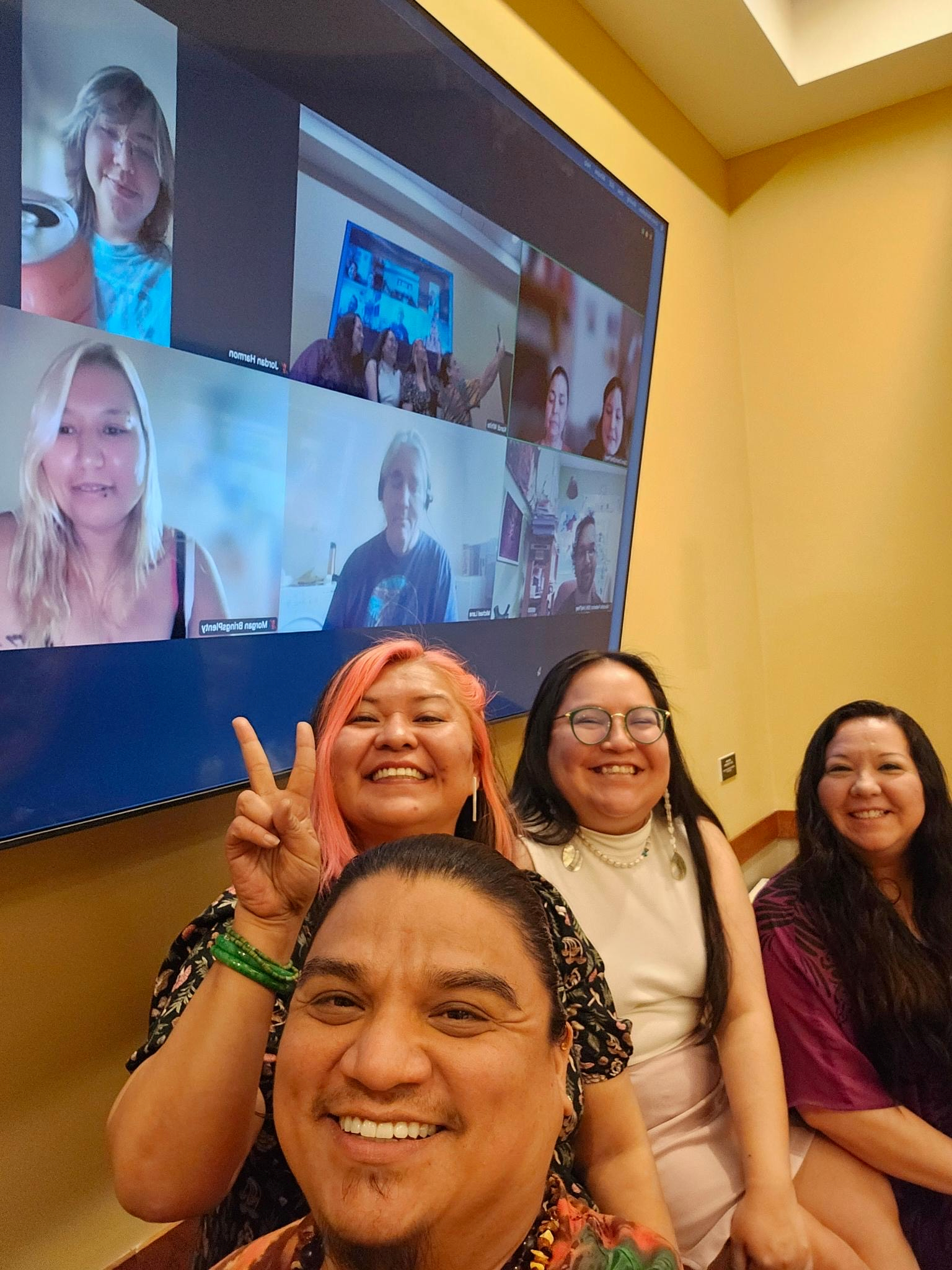

Despite the tremendous challenges the calendar year presented, our IEN team accomplished remarkable things. As IEN’s Executive Director, I am deeply grateful for your dedication as we move into Year 2026. We will continue our mission and important work, supporting each other along the way. I am profoundly grateful for the support and compassion provided by our local, national, and worldwide network of friends, constituencies, and communities, including our board, staff, contractors, and partners from the foundations and giving circles, during this incredibly difficult time.
It has been a year of immense challenge not only for our organization, but for me personally, and our family. It has been marked by the profound loss of my daughter, a cherished staff member of IEN who died by suicide in September. She was a beautiful, unselfish, and caring person who left a lasting impression on everyone she met.
In the traditional teachings of her Anishinaabe mother, it is a profound sign of respect, and a cultural and spiritual practice, that we do not speak the name of our relative or use her likeness for 13 Moons. This is to help her spirit to remain at peace and not be disturbed in the spirit world, where she is with her relatives who have gone on. Also a practice of many of our Tribal Nations of Indigenous Peoples, it honors the family’s deep sadness and allows us all, including staff and friends, the space to grieve. It allows love and memory to endure – for eternity.
Tom BK Goldtooth (Mato Awanyankapi)

The Climate Justice Program continued our focus on relaying the global impacts of the Paris Climate Treaty and Kunming Montreal Biodiversity Treaty to our tribal communities across Turtle Island. This was done through many different approaches, including enclosed meetings with tribal leadership, town hall gatherings with frontline communities, hosting no false solutions conferences, sitting on panels at universities, and climate conferences. The continued target of our lands and communities shows a need for increasing the number of people trained and skilled to advance our resistance to these colonial practices being used under the flag of carbon mitigation. The Climate Justice Program has continued building leadership within our tribal communities through the Ring of Fire (RoF) cohort training. In 2025, IEN hosted two additional RoF cohorts investing in our tribal communities’ leaders of today, as well as building teams across Indian-country that can continue to build and resist these false solutions together for a lifetime to come.
The Climate Justice Program also played a vital role in building global solidarity against these false solutions by playing active roles in the world’s largest peoples movement, MAB Movement of People affected by Dams, as well as building relationships and community during the Peoples Summit in Belém, Brazil.
The Geoengineering team traveled widely to participate in several high-level climate justice forums, meeting tribal leaders and Indigenous representatives, including the HOME Alliance team in Nairobi, Kenya, for capacity building. They also joined Just Transition Alliance, Alaska Community Action on Toxics, and the International Indigenous Forum on Plastics in efforts to give voice to the second plastics treaty negotiations meeting, INC 5.2, held in Geneva, Switzerland.
The team also helped organize and host an IEN Ring of Fire Cohort gathering with community leaders, tribal healers, and movement builders, held in Alaska. They then traveled to Reykjavik, Iceland, for the Arctic Circle Assembly, standing in solidarity with other Indigenous peoples of the North who speak out against extractive industry and false solutions.
In October, the team joined a broader delegation of IEN staff members and allied organizations in New York City, NY, for Climate Week, where business, government, and civil society groups gather to raise awareness about the need for increased efforts to accelerate meaningful actions and policies to mitigate the ever-increasingly dangerous and destructive impacts of Climate Chaos.
The Geoengineering team also took part in the IEN delegation to Belém, Brazil, for the UN Conference of the Parties (COP30), in November. The delegation joined with hundreds of North American, international, and Brazilian local Indigenous communities, organizations, and representatives in bringing Indigenous Traditional Knowledge and values into meetings and actions, including the Belém Peoples’ March, alongside our relatives and allies of the local Huni Kui Indigenous community. IEN also hosted panel discussions on “Colonial Extraction, False Solutions, and Indigenous Peoples” as well as a second panel titled “Protect, Reform, Deliver: Removing Stumbling Blocks to Progress in Climate Action,” with the Kick Big Polluters Out (KBPO) coalition of which IEN is an active member.
IEN staff in Belém joined the Just Transition Alliance (JTA) in manning an informational booth where they distributed hundreds of graphic buttons, pamphlets, and booklets, including the popular “Hoodwinked in the Hothouse.” The team joined the delegation for press conferences and gave interviews regarding the growing problems resulting from geoengineering false solutions and mining, experienced by their own home communities.
The IEN Alaska Geoengineering team follows the words of Annie Aghnaqa (Akeya) Alowa, a Yup’ik elder, activist, healer, and leader in health and justice advocacy for Alaskan Indigenous Peoples, from the village of Savoonga, St. Lawrence Island, who said, “I will fight until I melt.”
IEN engaged in extensive policy work across Indian Country in 2025. On the national level, IEN fought for climate justice policy and Indigenous Peoples’ rights, including promoting the Indigenous Just Transition to Tribal leaders, educating Congress members and federal agencies on important policy matters, drafting public comments, and organizational sign-on letters. On the local level, we supported grassroots campaigns against harmful extraction and successfully defeated at least one hyperscale data center in an Indigenous community.
In continuing our extended campaign against liquified natural gas (LNG) exports, IEN joined the campaign to urge the Department of Energy (DOE) to reconsider pending LNG export permits in Calcasieu Pass 2 (CP2), Golden Pass, Gato Negro, Commonwealth LNG, Magnolia LNG, Port Arthur LNG Phase II, Lake Charles, and Saguaro LNG. We engaged key Congress members and participated in phone and email zaps targeting DOE and FERC.
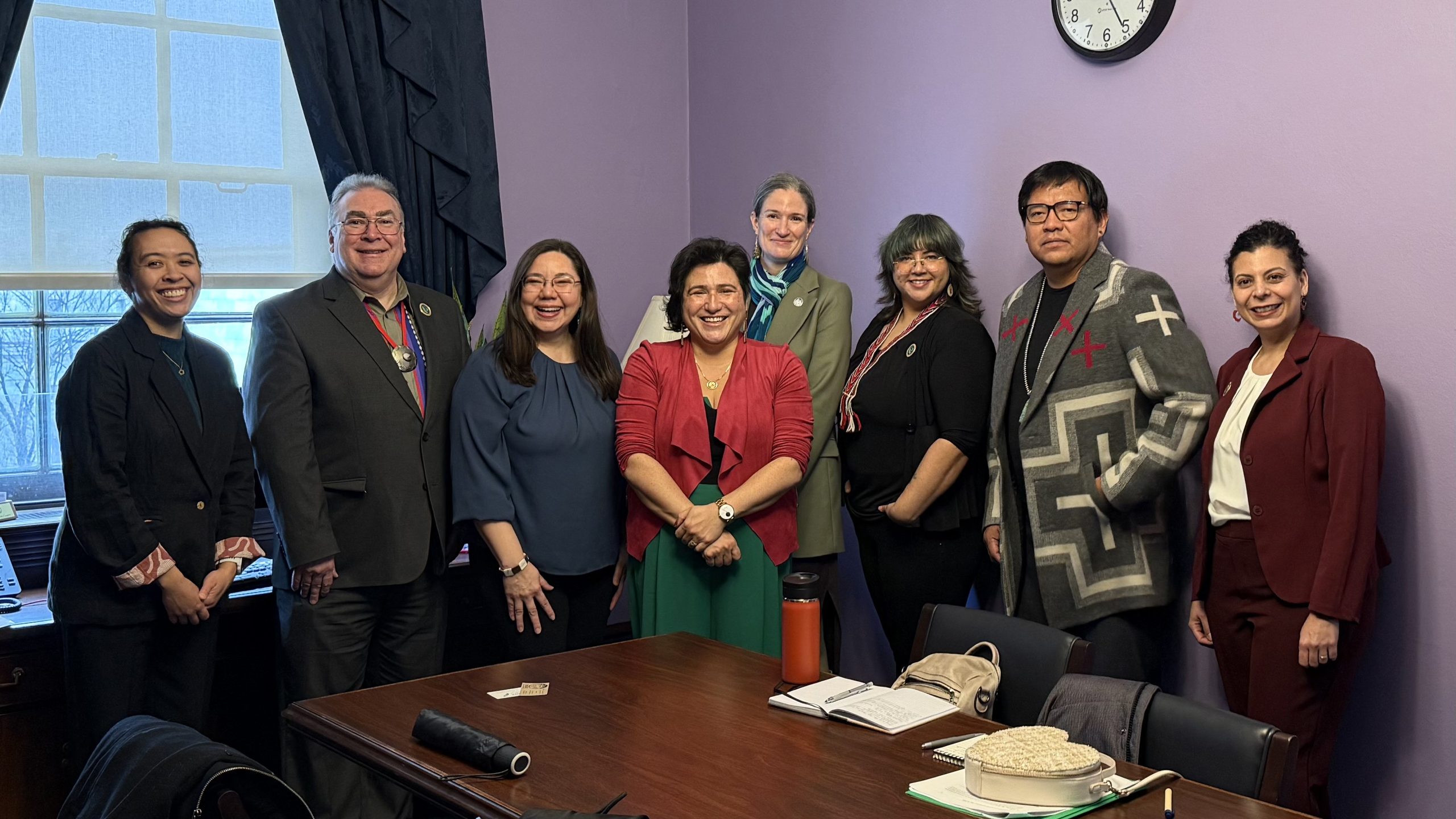
February: IEN joined the broad coalition of the climate justice community fighting against the Council on Environmental Quality (CEQ) proposed interim rule rescinding and removing the National Environmental Policy Act (NEPA) Implementing Regulations. We attended the National Congress of American Indians (NCAI) Executive Winter Session in Washington, D.C., and collaborated with NCAI on Hill visits, educating Congress members on the importance of funding Tribal Historic Preservation Officers (THPO’s), free, prior, and informed consent (FPIC), and demanding protection of NEPA and that Tribes be included in any further decision-making.
As Congress scrambled to pass a budget resolution for FY 2025 and entered the reconciliation process (aka the One Big Beautiful Bill Act (OBBBA)), IEN engaged in education outreach by visiting key Congress members from both parties to keep important Tribal programs funded, stop giveaways to fossil fuels, and undue harmful policies. In particular, both Democrats and Republicans were targeted for significant changes to the section 45Q tax credit for carbon capture and storage (CCS), advocating for the revocation of the 45Q tax credit.
Our climate justice work continued by engaging with key Congress members, urging them to oppose the Standardizing Permitting and Expediting Economic Development (SPEED) Act. These new proposals in this Act would further weaken NEPA and would radically limit the scope of reviews by federal agencies. This was another attempt by industrial trade groups, like the American Petroleum Institute, eliminate the government’s responsibility to hold industries accountable from the permitting process to completion of a project.
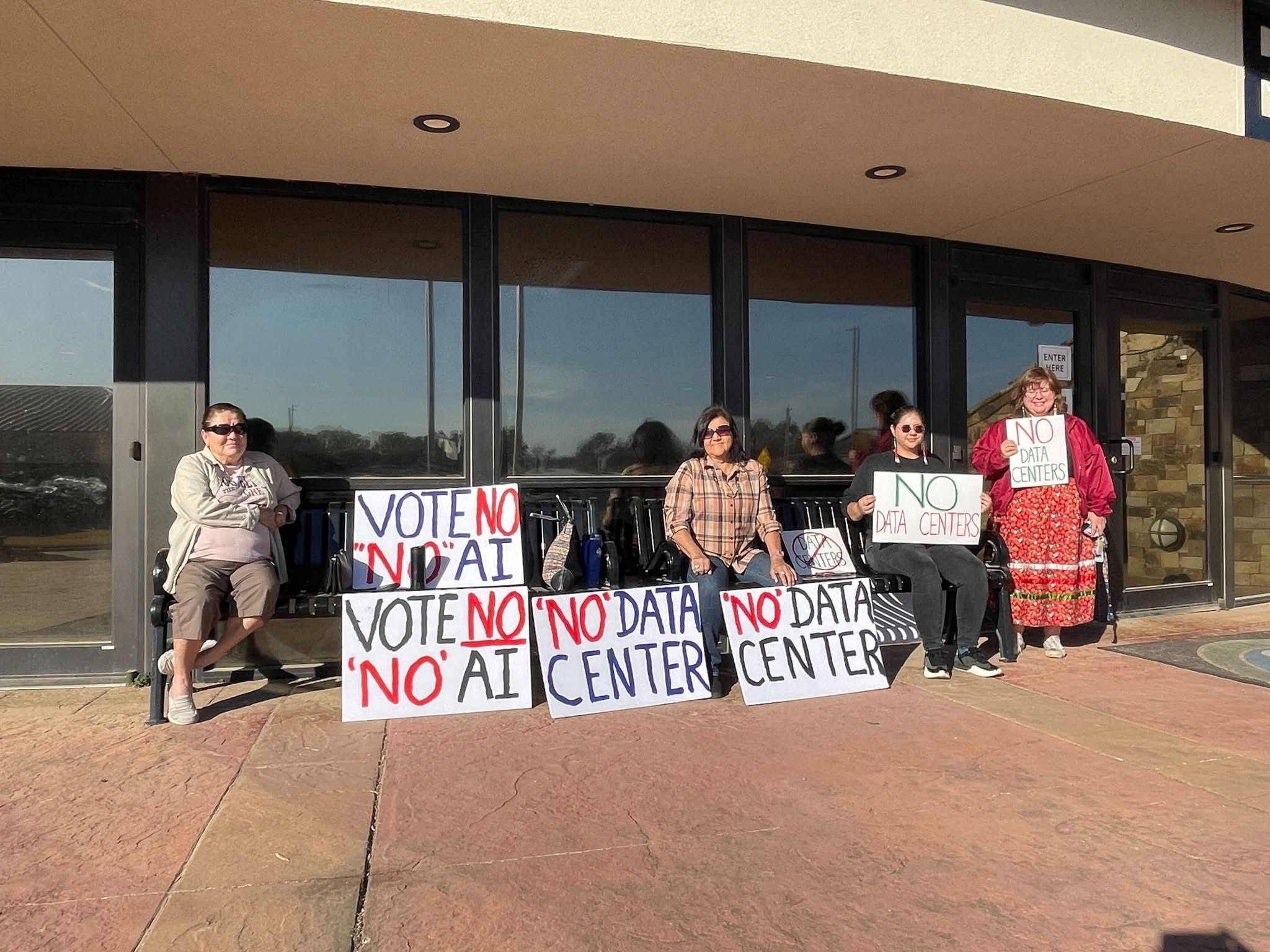
In a major victory, IEN supported a grassroots movement that successfully defeated a Tribal bill in the Muscogee Nation in Oklahoma that would establish a hyperscale data center hub in the reservation. At the request of local Tribal citizens, IEN co-hosted a series of 6 local town halls across the Muscogee reservation to educate citizens and Tribal leaders about the harms and risks of hyperscale data centers, including water waste, emissions, and utilities costs. Click here for more information from the Climate Justice Team’s 2025 work.
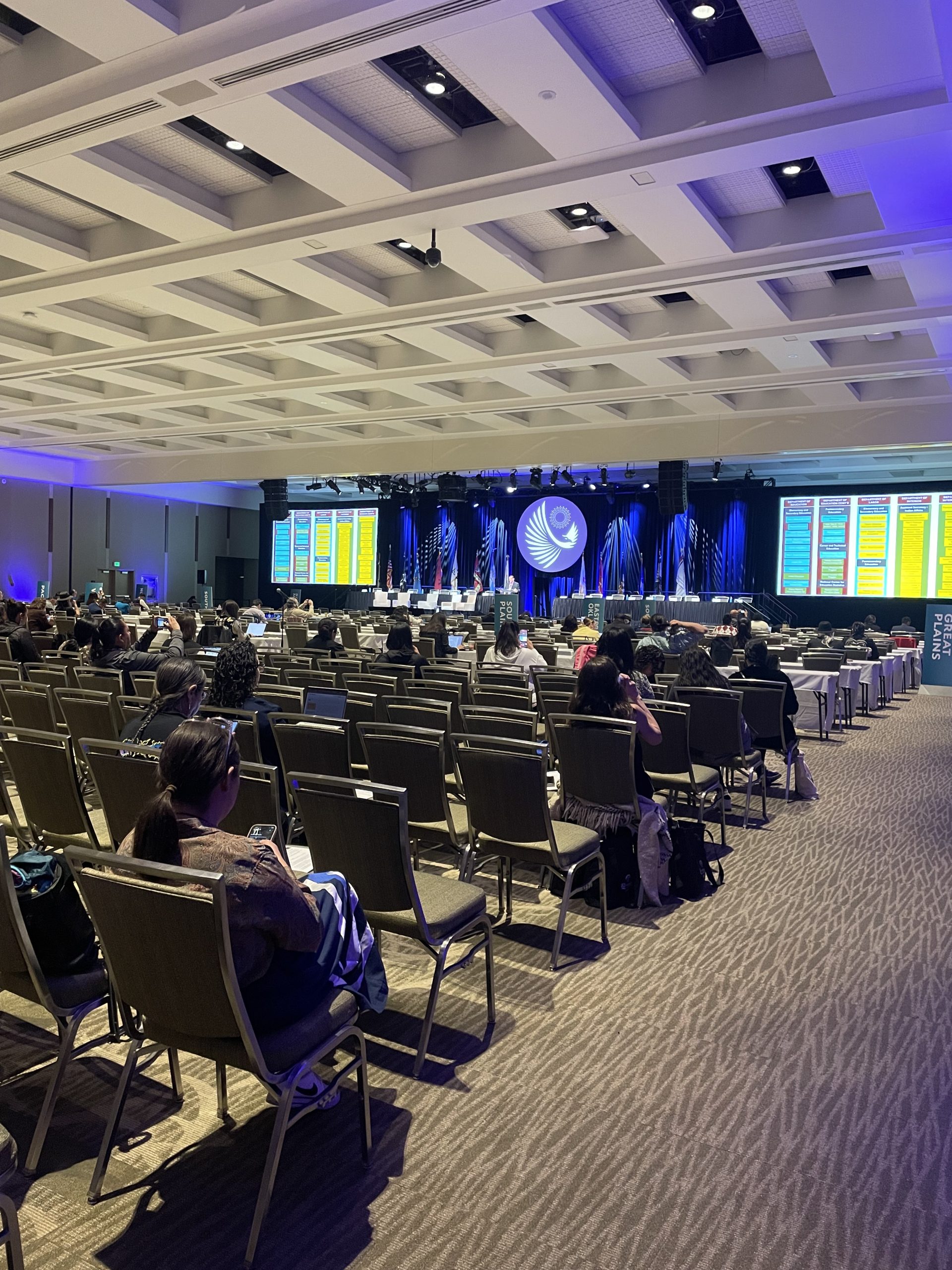
IEN delegations attended the Pre-sessional Traditional Knowledge Platform Facilitative Working Group (FWG) Meeting at the Permanent Forum for Indigenous Issues (24th Session, UNHQ), as well as the Bonn, Germany UNFCCC intersessional, and the 2025 Conference of the Parties COP in Brazil. IEN delegates to the FWG included traditional knowledge holders and observers, with the primary objective of finalising the FWG’s 5-year work plan. The North American Caucus chose Alberto Saldamando to represent it on the FWG. At all of these meetings, the issues were 1) the conflation of the inherent rights of Indigenous Peoples and the rights of local communities. Included in those discussions was an ethical protocol with which to address those rights; 2) A funding mechanism for direct funding to Indigenous Peoples as well as Small Island States and Least Developed Nations, without conditionalities, to allow the prioritizing by them of their own adaptation without external interference; and 3) The restoration and titling of Indigenous Lands from colonists and predatory, imperialist and racist corporations. IEN staff worked diligently to ensure that the North American and the Global Caucus, as well as key allies, maintained IEN’s position of an immediate cessation at the source of fossil fuel pollution, as the whole of humanity is now a species threatened by global warming.
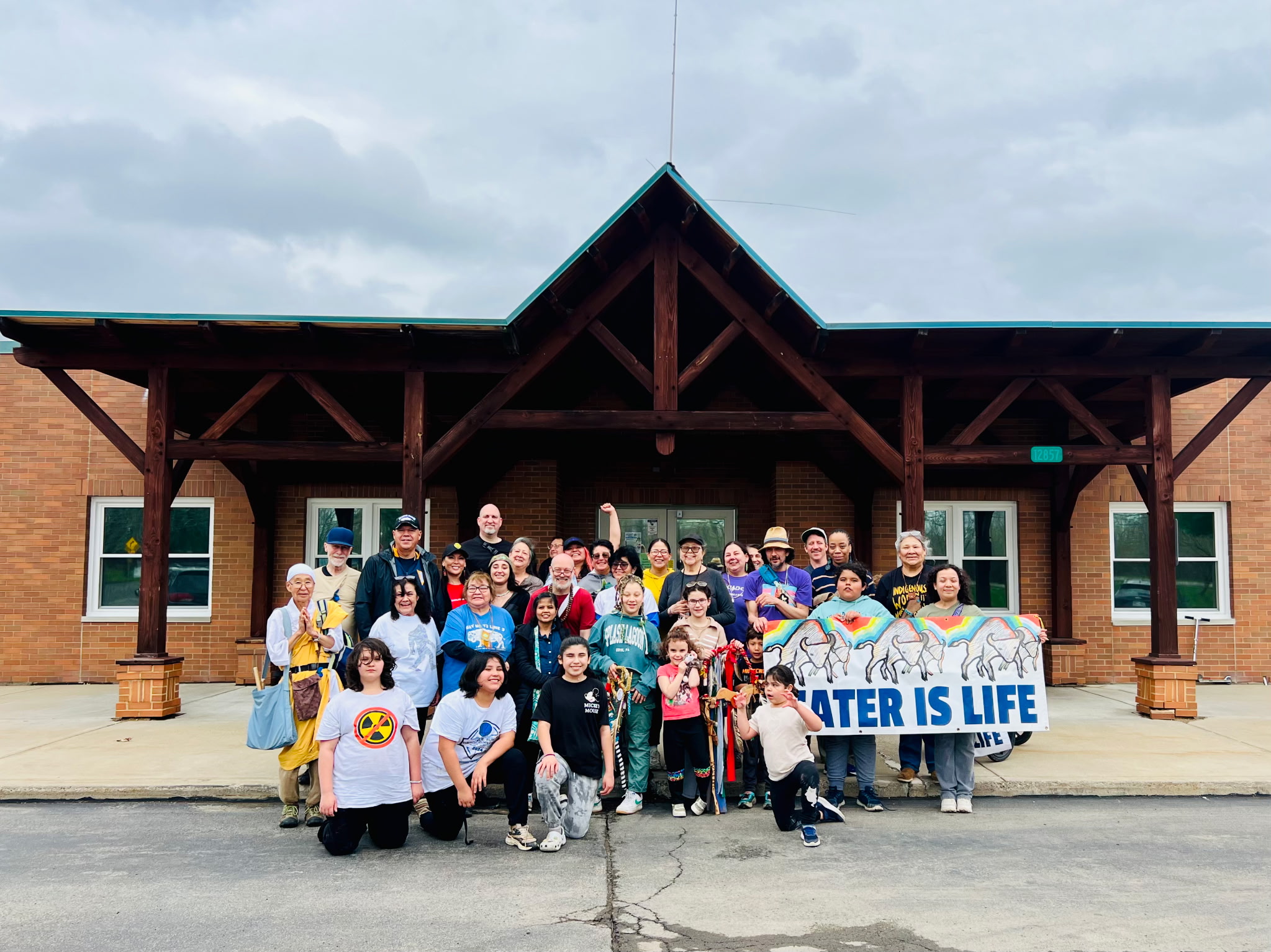
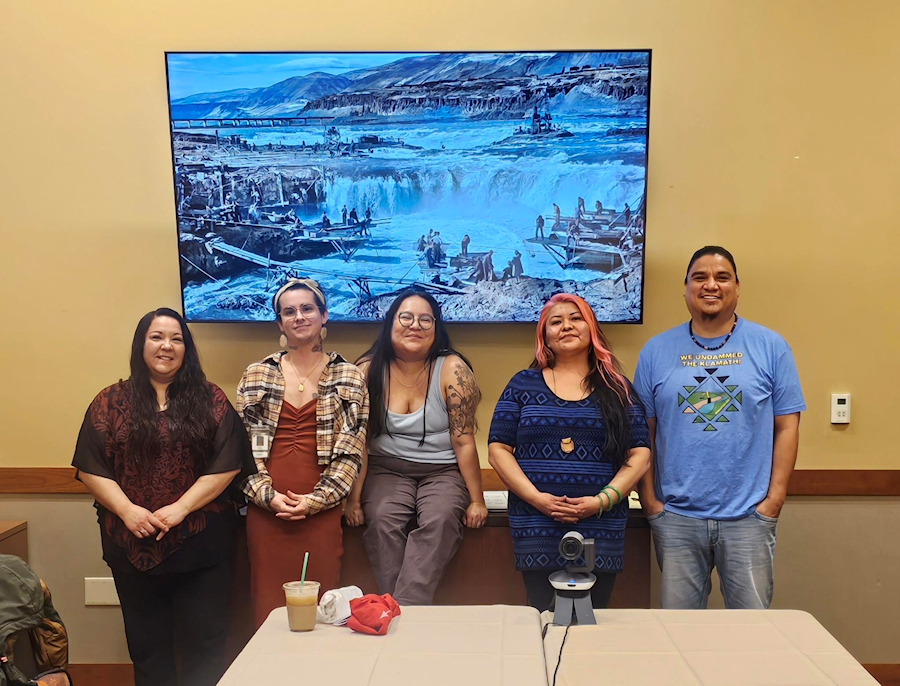
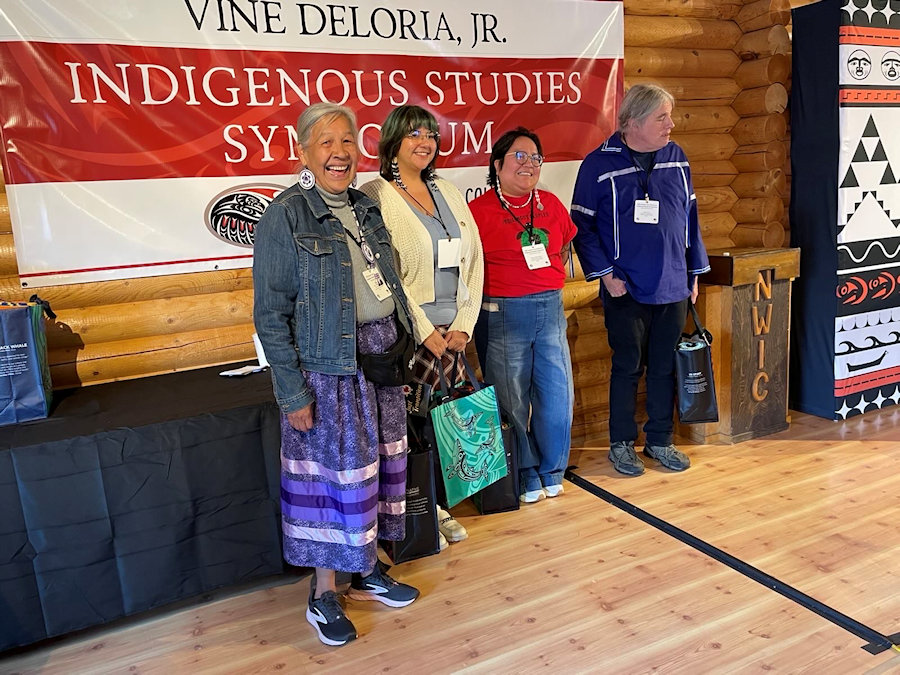
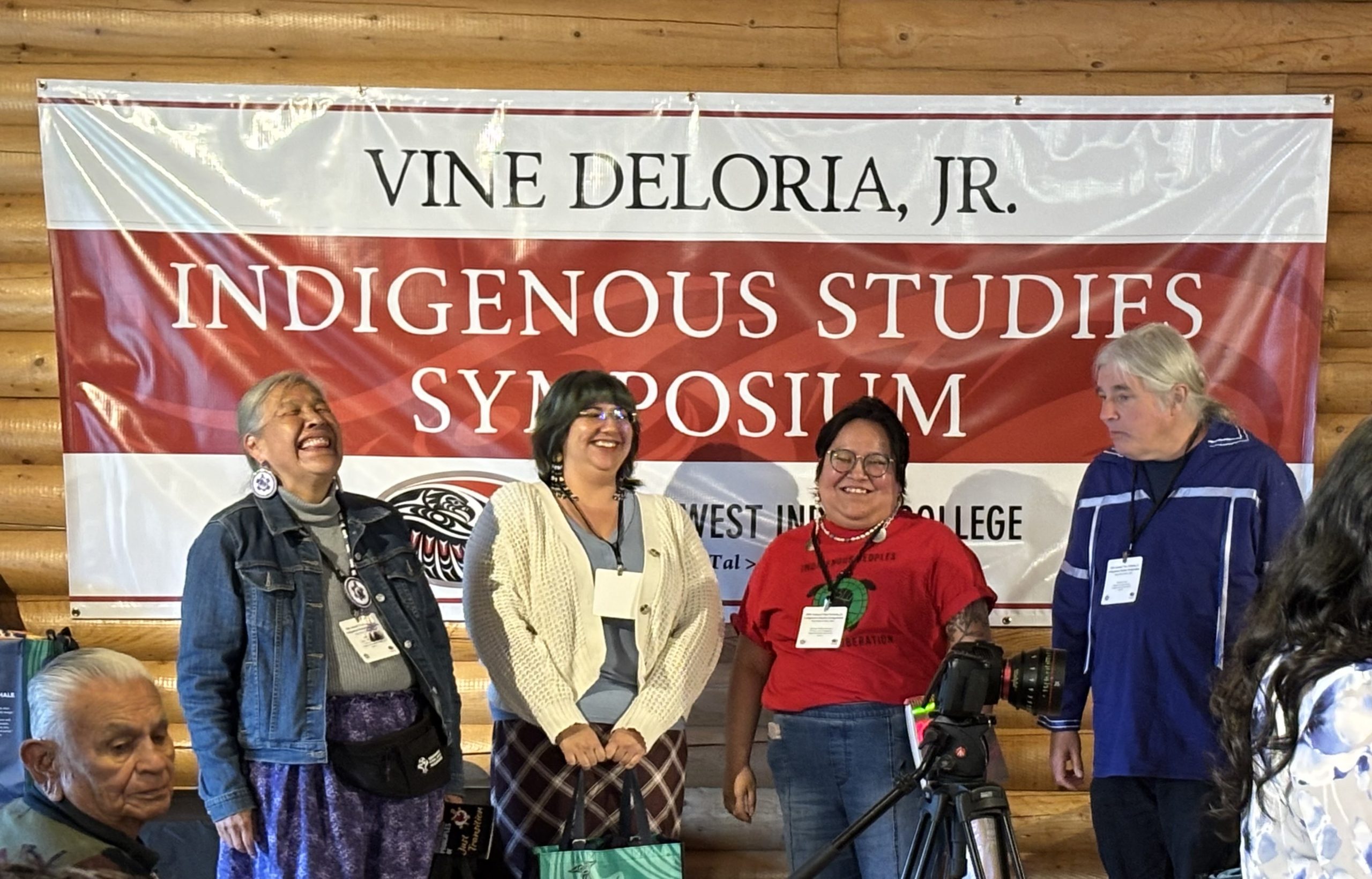
The Keep It In The Ground team proudly co-sponsored the Southeastern Indigenous Coalition Environmental Conference, hosted by the 7 Directions of Service. This historic two-day gathering took place in beautiful Occaneechi Saponi territory, NC, and held space for Indigenous leaders, organizers, environmental advocates, policymakers, and allies to come together to envision a more just and resilient future of grassroots leadership. Five members of the IEN team and two board members in Bellingham, WA, at the Northwest Indian College for the Vine DeLoria Jr. Symposium that celebrated two decades of his commitment to Indigenous rights, culture, and education.
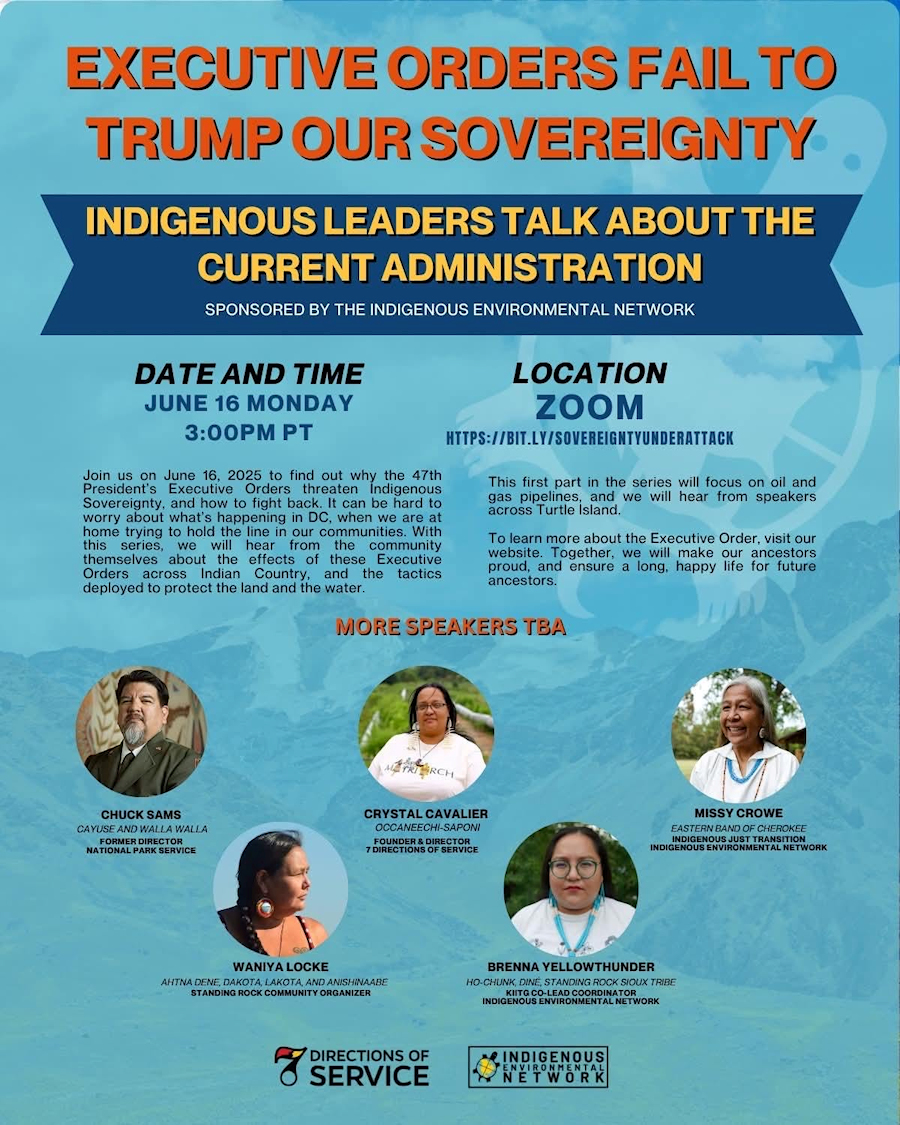
The KIITG team hosted a series of webinars during 2025. These presentations discussed the flurry of Presidential Executive Orders, how, even though they aren’t lawfully binding, they can still be used as tools to predict what federal departments will be doing next. We heard from national leaders like the 19th Director of the National Park Service, Chuck Sams, and Carletta Tilousi, a member of the anti-uranium committee from Havasupai, as they talked about the way the EOs roll out in Indian Country, and how to fight them.
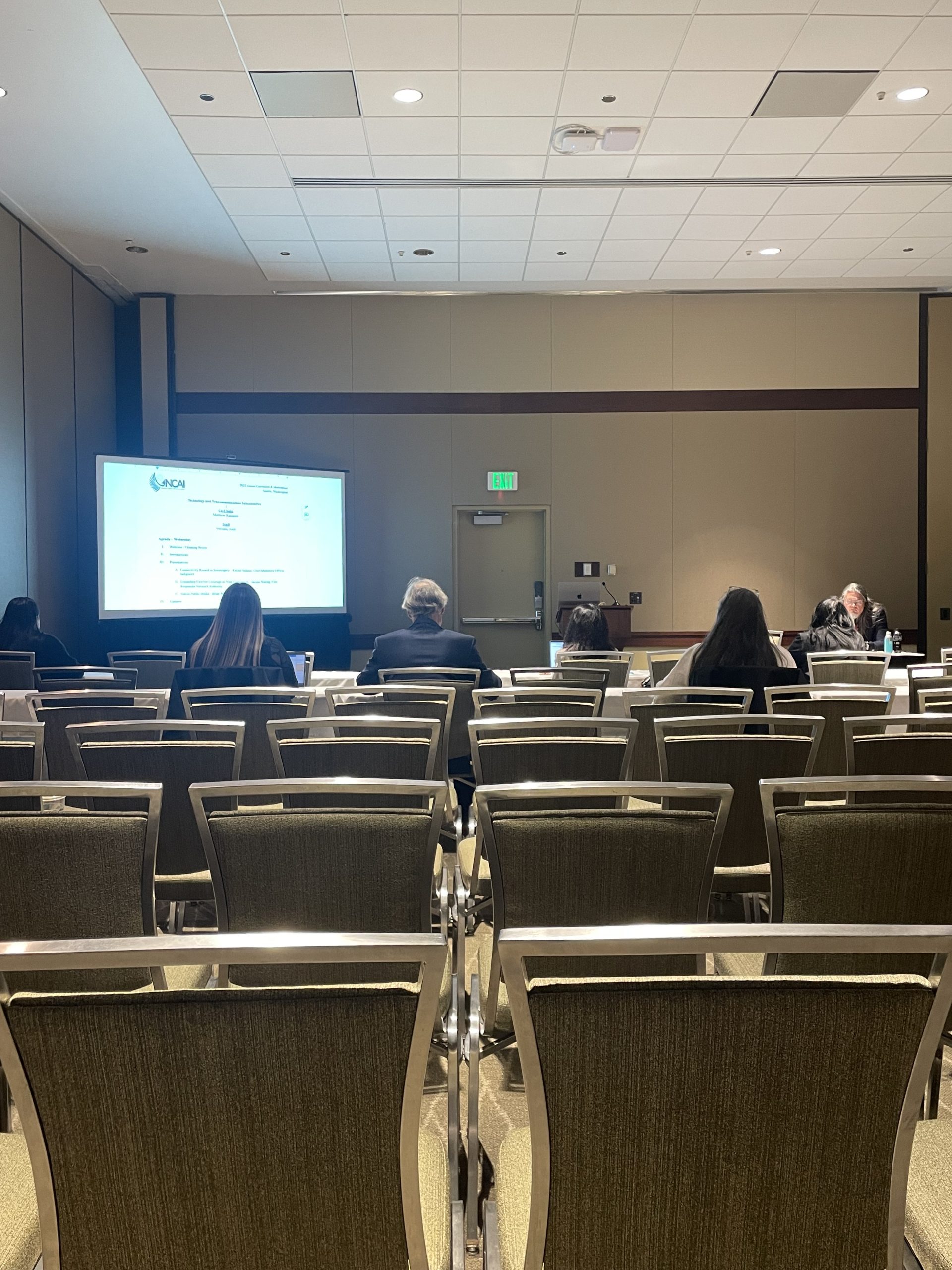
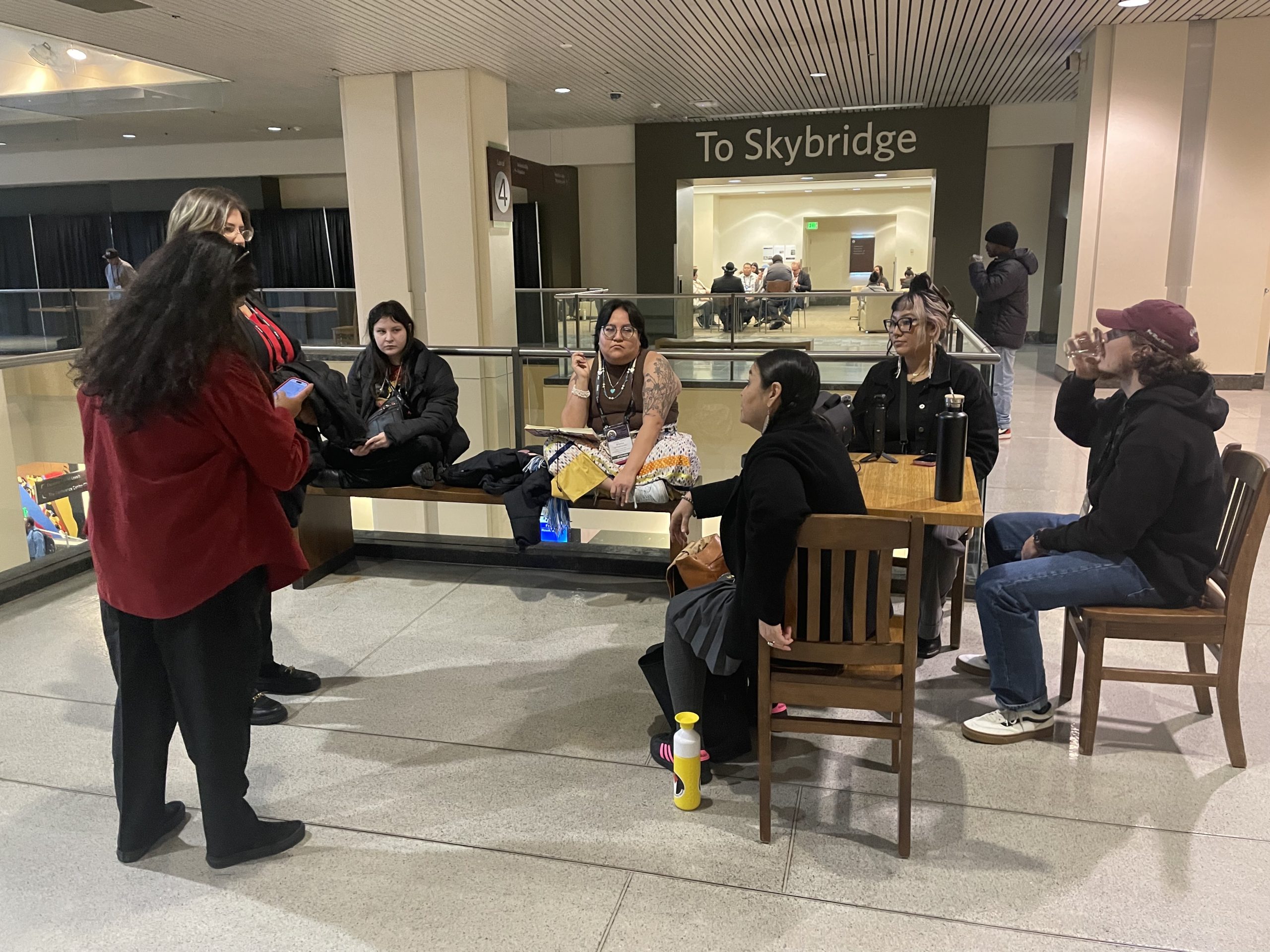
The team led a delegation to New York Climate Week, where we opened the Make Billionaires Pay March with a prayer and supported other community organizations with their actions. In November, the KIITG team, along with allies, attended the National Congress of American Indians annual conference, where they presented a resolution to hold the line against the exponential growth of data centers in opposition to a resolution in support of these operations. As a result of the IEN team’s efforts, the vote in support was flagged and delayed for future discussion.
The Keep it in the Ground (KIITG) Mining Program had a busy year working with frontline communities and grassroots leadership as they confront the aggressive increase in fast-tracking of mining permits that include uranium and critical mineral mining. The energy transition will be fed by the territories and natural resources of Indigenous Peoples, with 54% of energy transition minerals located on or near their territories globally. In the U.S., over 75% of lithium, copper, and nickel deposits are within 35 miles of tribal lands. The U.S. seeks to strengthen domestic supply chains by stripping away key environmental protections, accelerating federal funding, and fast-tracking rare earth, critical minerals, and uranium mining. The work encompasses Indigenous Peoples’ right to self-determination and free, prior, informed consent, and the right to say NO be respected. Our mining work includes directly supporting various grassroots, community-led initiatives and events throughout Turtle Island.
KIITG Co-Lead Coordinator and Mining Organiser, Talia Boyd, worked closely with tribal grassroots leaders throughout the year, helping to organise and participate in gatherings and actions at various locations of the Ute Mountain Ute, Havasupai, to the Supai Village, located in the Grand Canyon to learn more about the Pinyon Plain uranium mine owned by Energy Fuels Inc. located near their sacred landscape of Red Butte. For more information on the Keep It In The Ground mining work, visit our website and sign up for our monthly newswire.
IEN’s mining work also extends through our partnership with the Western Mining Action Network in the IEN-WMAN Grassroots Communities Mining Mini-Grant Program, which distributes over $200,000 per year in $4,000 USD grants to Indigenous communities and non-profit grassroots organizations across the U.S. and Canada. Our goal is to give at least 50% of the Mini-Grants to Indigenous communities, which are chosen during three opportunities each year. For more information, please contact: talia@ienearth.org
And finally, for this edition of our year in review, we welcome Mark Tilsen to the team as our new National Pipelines Organizer. You can read more about Mark and the KIITG Team here.
Inherent Relationships Jurisprudence and Rights of Nature/Rights of Mother Earth: There were several activities in this area. In March, IEN was present at a Water Symposium hosted by the Anishinabek Nation on Manitoulin Island. The Indigenous Sovereignty Advocate and Water Ethics coordinator were invited speakers, and important connections were made. There was a Rights of Nature Tribunal in Toronto, of which the Indigenous Sovereignty Advocate was present, and the Executive Director was a judge. This was followed by a symposium on Great Lakes issues pertaining to the Global Alliance on the Rights of Nature, hosted by IEN, in alliance with The Rise and Repair Coalition, in the legislative initiative of manoomin (wild rice) to thrive and exist. The ISA is an integral part of that coalition with legal scholar advice and support, and he is also on the North America Hub and the Academic Hub Steering Committee of GARN. One of the key takeaways from Toronto was that IRJ will continue to be used as a strategy within the Legal Hub, which was recently reconstituted, and also as a standalone in its own right to protect those seeking protections that are not covered by the Rights of Nature/Rights of Mother Earth. Later in the spring, the ISA travelled to the Eel River and presented at the river on IRJ to a group seeking to protect the river and also oppose the Great Redwood Trail being built on a discontinued rail line that had been built over cemeteries and village sites. Further work happened in the Fall, as well as an effort to enter Phase 2 of implementing IRJ with two meetings on the Diné Nation with groups involved with Dine Fundamental Law. There was also an all-day work session on starting Phase 2 held at Tonatierra in Phoenix, Arizona. Lastly, the ISA as involved with the Manoomin Symposium held on White Earth Nation, and was at NCAI and at the Northwest Indian College Vine Deloria symposium talkig on these issues on a panel with other IEN staff.
Termination Agenda: The ISA went to the UN Permanent Forum with others from IEN, and gave an intervention on how the UNFCCC, by conflating Indigenous Peoples with local communities, thereby facilitating the extinguishment of inherent, distinct, and collective rights, which is what the present-day Termination Agenda is about. Work is underway to find ways of using IRJ as a way of countering this Termination Agenda.
Facilitated Working Group of the UNFCCC: The ISA attended FWG 13 in Bonn, Germany, and FWG 14 in Belem, Brazil, along with some other IEN representatives. The two key issues were advancing the Ethical Protocol for the Protection and Use of Traditional Indigenous Knowledge and standing up to the attempt to conflate Indigenous Peoples with local communities. Both of these were followed by two days of the International Indigenous Peoples Caucus on Climate Change. At FWG, a Brazilian representative tried to orchestrate a hostile takeover of FWG, bringing about 20 individuals representing local communities. Over the course of the four days, they slowly came to realize that they were being used by Brazil for a Brazilian agenda, not theirs. This led to the Brazil representative engaging in abusive behavior toward the Indigenous co-chair of which a Code of Conduct violation was filed by the ISA. His tantrum was precipitated on the last day when there was a slide on the screen that expressed the need for two ethical protocols if local communities were to have one too, based upon Indigenous Peoples having inherent, distinct, and collective rights as well as legal and political status, whereas local communities come under the umbrella of the nation-state. Further, it was stated that local communities had the right to self-organize. The representative downplayed the inherent distinct and collective rights, and vehemently opposed the right of local communities to self-organize. Afterwards, IEN approached some of the local community representatives, and while we would not help them organize offered to engage in dialogue. At FWG 14, IEN did initiate dialogue with some local communities and came up with a draft joint statement of mutual recognition that we will seek to solidify, leading to FWG 15. In addition, IEN, which had initiated the Ethical Protocol work at FWG 9, was successful in getting all in attendance at FWG 14 in the breakout groups to call for 2 Ethical Protocols. In response, the UNFCCC gave instructions, which it is not mandated to do, that there will only be one, which violates Article 31 of UNDRIP and thirty years of scholarship on Indigenous Research methodologies. There is a special meeting of the FWG to further discuss this on December 15.
Manoomin Legislation in Minnesota: As stated earlier, IEN, through the ISA, has been an integral part of allying with the Rise and Repair Coalition. The legislative initiative has an IRJ underlay in a Rights of Nature/Rights of Mother Earth context, of manoomin having the right to thrive and against. IEN, like some other organizations working in this area, will no longer do actions relating to the legal personality of aspects of the natural world. At best, they are symbolic actions and unenforceable in law, and at worst, have been corporately captured for things like carbon trading and biodiversity credits. We will work with groups, starting out with the legal personality strategy in a support role to help assist with a transition to more effective strategies. The legislative initiative is NOT related to the previous work on the legal personality of manoomin, which was found wanting by the White Earth Tribal Court.
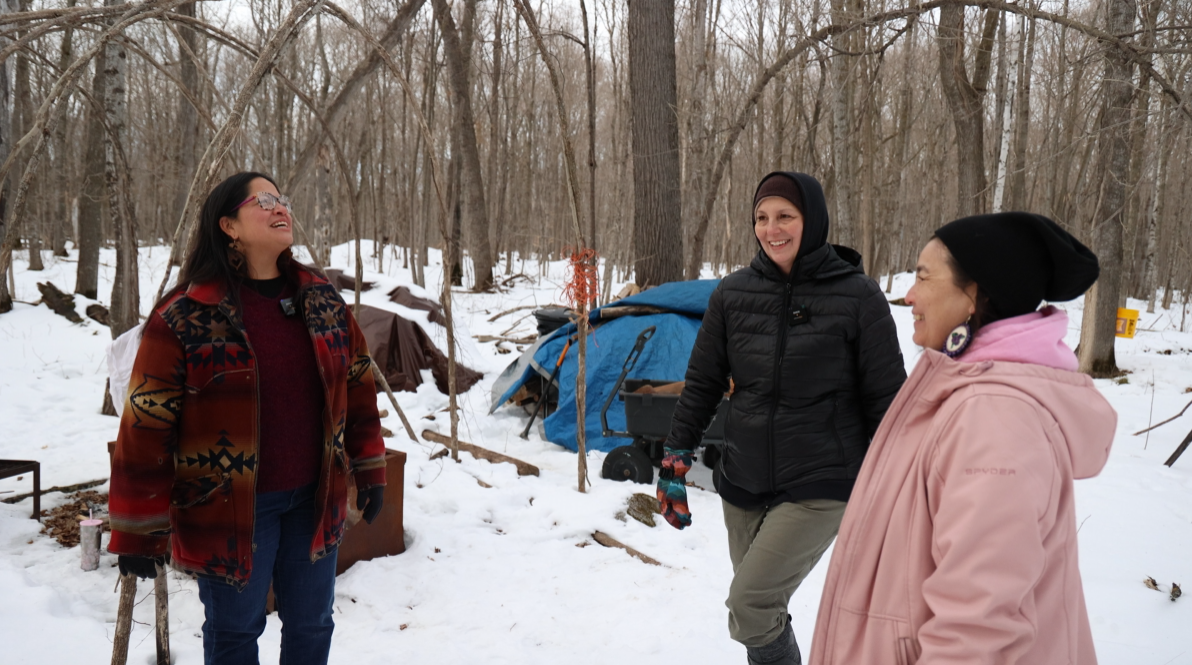
Winter in Anishinaabe (Ojibwe) territory is a season of storytelling, reflection, and trapping waabooz (snowshoe hare). In February 2025, we welcomed local knowledge holders Josh Red-Day and Jeff Harper to the garden to share stories and the impacts of climate change on culturally important relatives such as the snowshoe hare. His visit grounded us in the deep connections between climate, culture, and responsibility to our more-than-human kin.
That same winter, Kaylee and Leanna Goose attended the Great Lakes Indigenous Farmers Conference, where they presented on grassroots bioremediation and protecting manoomin for the next seven generations as we expand and share our local work into a broader regional conversation.
Spring brought new energy as we welcomed two new garden helpers to the Gitigaan. Their creativity, care, and dedication added tremendous value to the space and to our growing community.
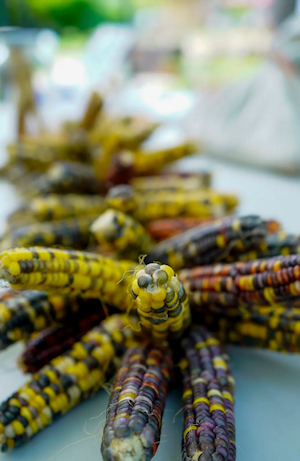
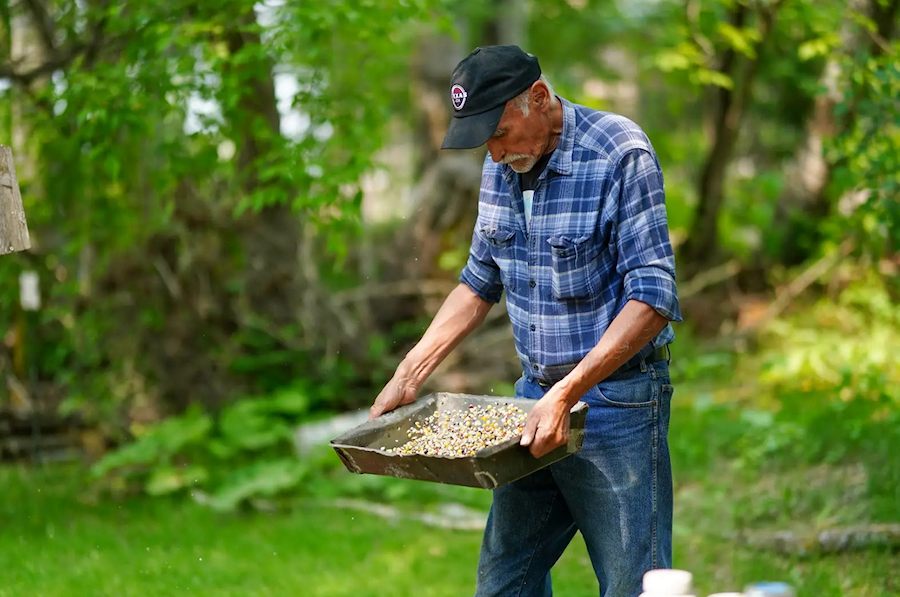
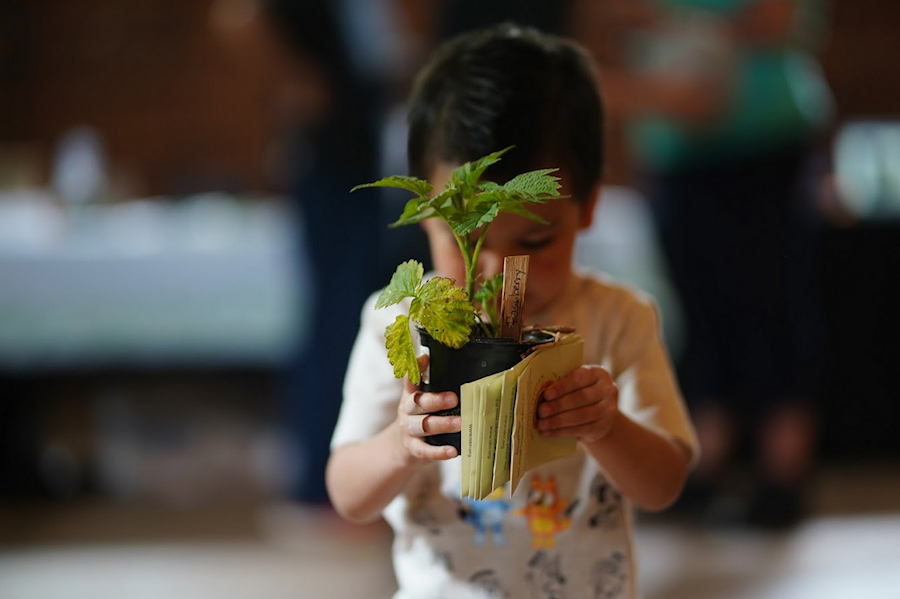
Our third annual Roots, Shoots, and Seeds Celebration was a true highlight of the year. Red Lake Elder Jack Des Liet prepared hominy from traditional Red Lake Flint corn and shared teachings on seedkeeping. Leanna Goose spoke about the importance of seeding manoomin. The day included garden tours, live music, and abundant seed sharing—IEN Teaching Garden gave away approximately 100 plant starts and nearly 200 seed packets. At the same time, community members and partner groups exchanged even more seeds and plants, strengthening our local food sovereignty network.
The growing season also presented challenges. The June 21st storm caused significant damage and required extensive cleanup. Yet, true to our values, nothing was wasted: downed woody material was repurposed into raised beds, compost, and mulch—returning nutrients to the soil and helping rebuild the garden with intention.
Throughout the summer, youth volunteer groups joined us for hands-on learning and stewardship projects. One group helped construct a “bug hotel” in the amoo gitigaan (Bee Garden), learning how beneficial insects shelter, nest, and support healthy ecosystems.
In August, we partnered with Watermark Art Center to host a workshop centered on taki zomi and cyanotype printing on fabric, using plants and flowers gathered from the garden. The printed fabric was later sewn into bandolier bags—beautifully weaving together art, land, and culture.
We also continued supporting land-based programming with Apple Blossom and Aurora Waasakone Community of Learners. With Apple Blossom students (grades 3–4), we met monthly for seasonal learning focused on seeds, mushrooms, composting, traditional foods, and more. At AWCL, we began conversations with students about developing a youth-led garden plan to be implemented in 2026.
This season at the IEN Teaching Garden held both challenges and moments of deep beauty. We are grateful for the resilience of the land, the generosity of our community, and the teachings shared along the way. We look forward to another bright, abundant, and inspiring growing season in 2026.
During 2024, the Indigenous Just Transition work entailed attending national and international meetings from the National Congress of American Indians, Climate Week, and regional symposiums in the Pacific Northwest. From sub-committee meetings, to educational outreach on Capitol Hill, to various Congress and Senate Representatives’ offices, to strengthen the Federal Government’s responsibility to honor its government-to-government responsibilities written and codified in treaties. Mary Crowe, along with Lisa Montelong,o traveled to various locations to share the Indigenous Principles of Just Transition, which included attending and tabling at the Neil Young Love Earth concert and Love Earth Festival in Richmond, Virginia. Capping off the year was engaging at the United Nations’ Conference of the Parties in Belem, Brazil, in November. Click here to learn more about IJT work in our Newswire Archives..
As Communications and media professionals behind the outward-facing activism of any social justice nonprofit, most of us on the IEN Communications and Media team continue our decades of experience and remain active within our regions as community organizers and activists. In fact, before activist organizations were able to financially support their own internal Communications teams, public relations, advocacy writing, and media skills were an essential and necessary tool within every organizer’s toolbox.
2025 saw the IEN Comms team busy working, not only across the many Indigenous communities within the IEN network, documenting and producing a diversity of media making it possible for a global audience to have a better understanding of what we face as Indigenous peoples, but also within IEN to equip and train staff members to tell their own stories about the multitude of issues faced within their homelands.
Much of what we do all year is documented and distributed in our monthly newswire, as our staff and community grassroots leadership engage with us throughout the year. Our mailing list includes supporters, funders, and the organizations we work with throughout the year. Our goal is to document and share as many of these activities as possible. We highlight and organize the research, reports, and documentation that we use for our education outreach, both digitally and at community and global events. Our team’s social media work is organized and posted by our digital artwork and video editing team, as well as content from partners and allies.
Here is a sample of the work we did for 2025, and a hint of what we’re planning for 2026 – building skills and knowledge we are committed to sharing to raise awareness and encourage engagement across Mother Earth.
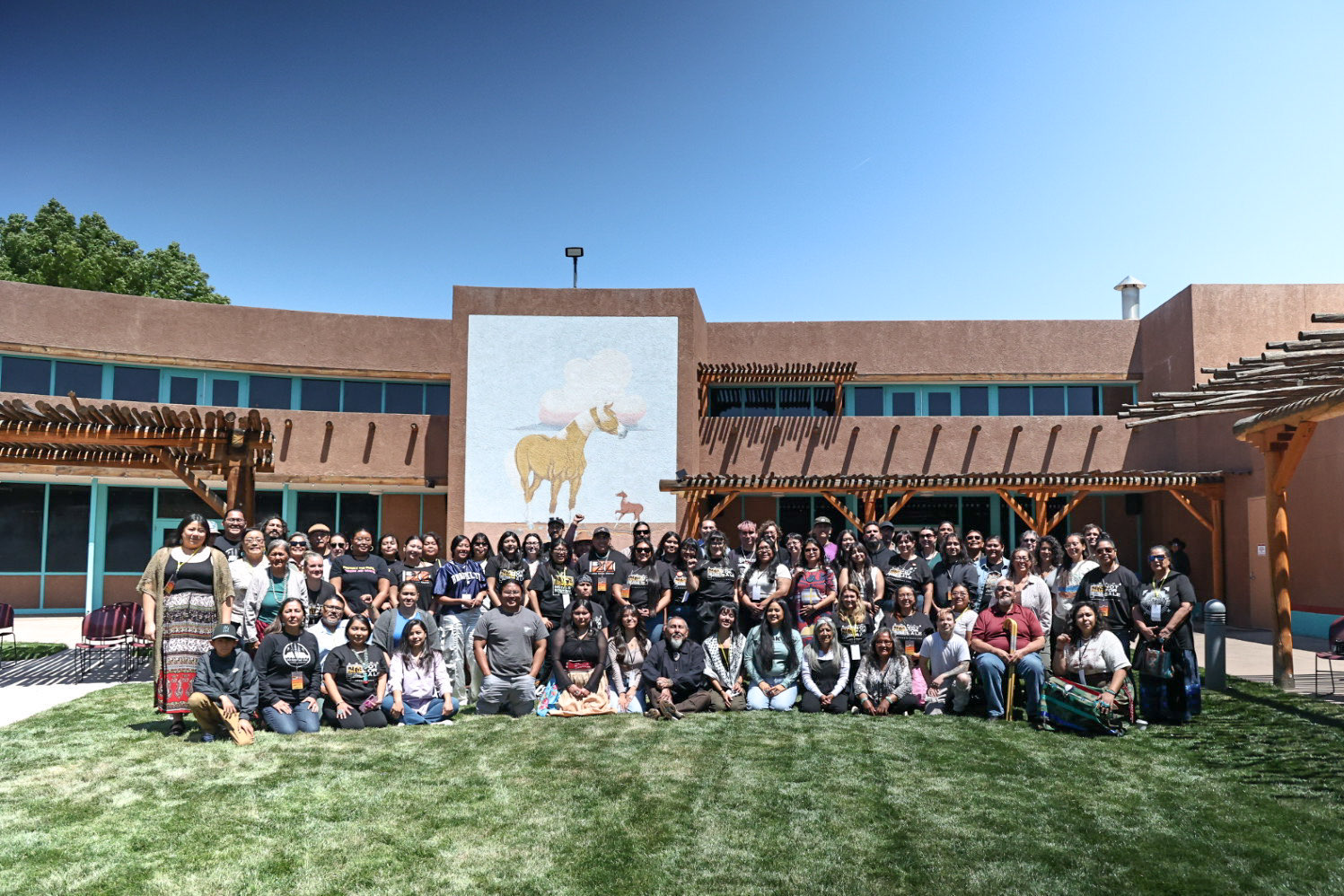
Early in the year, with snow on the ground and area lakes still covered with ice, Eddie Saunsoci spent a few days in the Bemidji, MN area with the IEN Feminisms team, where he recorded two podcast episodes and recorded a video for a future video story for the program. In the spring, members of the Comms team traveled to New Mexico for the No False Solutions conference, where IEN Ex. Dir. served as the keynote speaker. They recorded multiple participant interviews to support the hosting organizations.
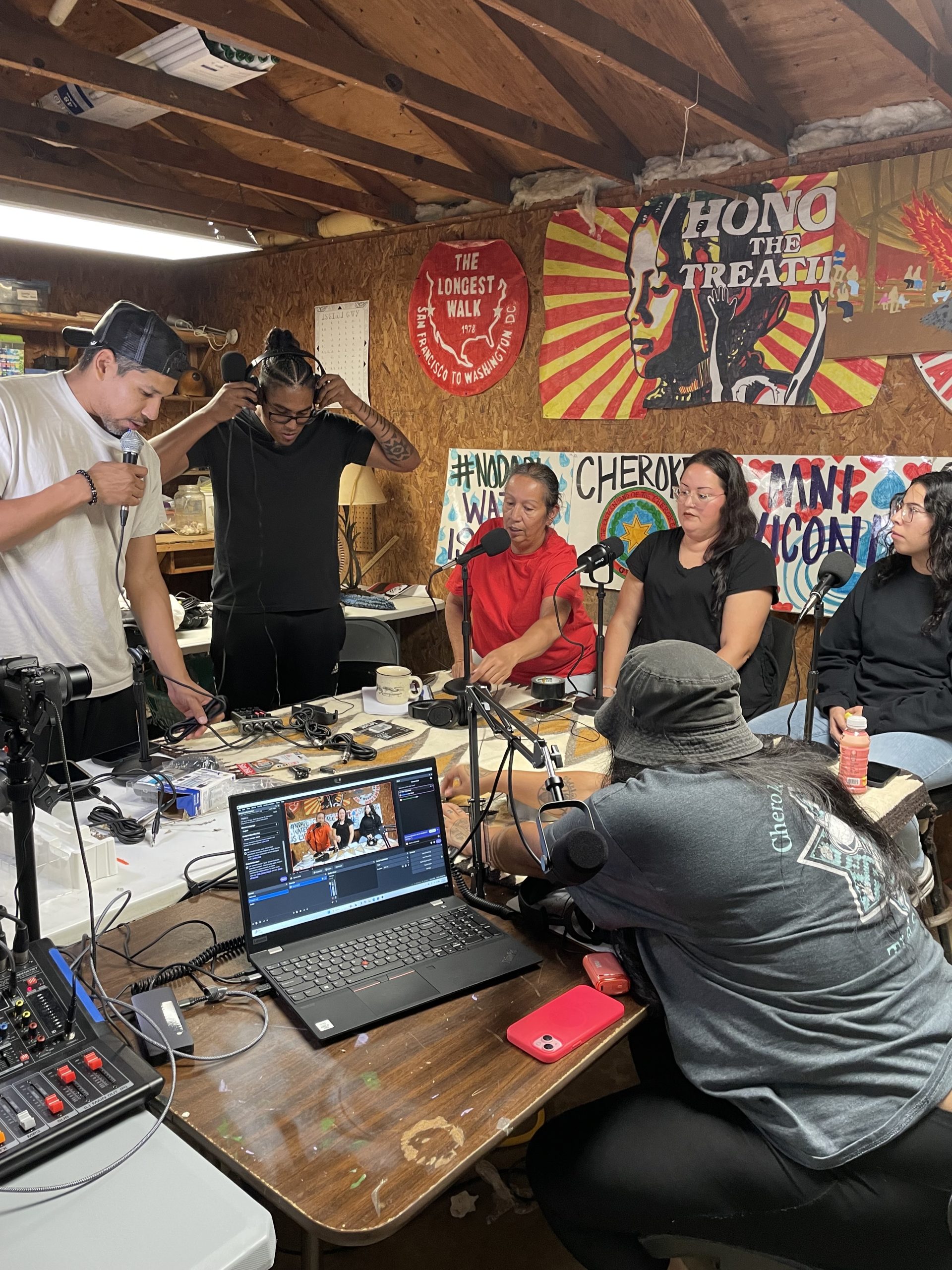
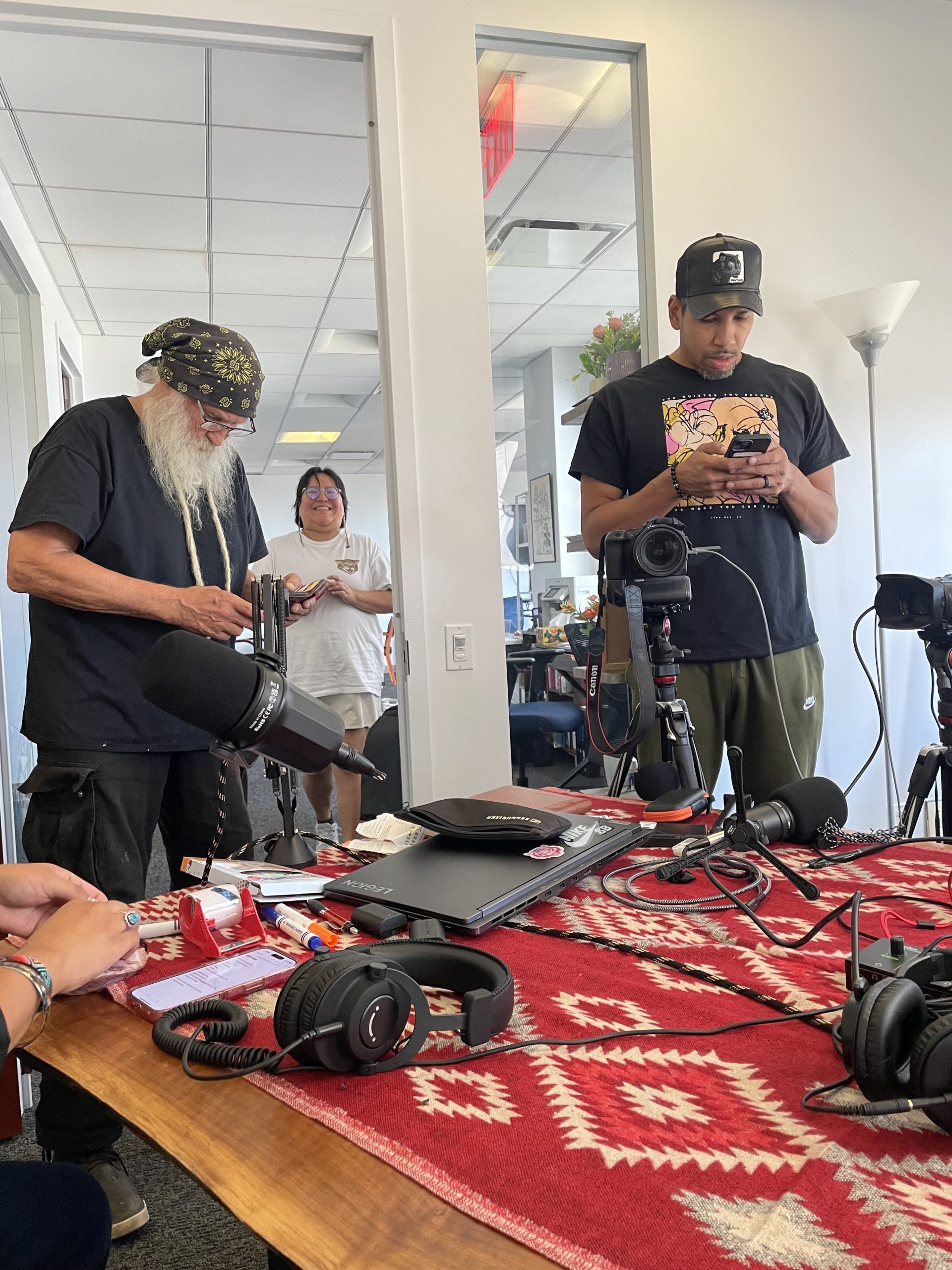
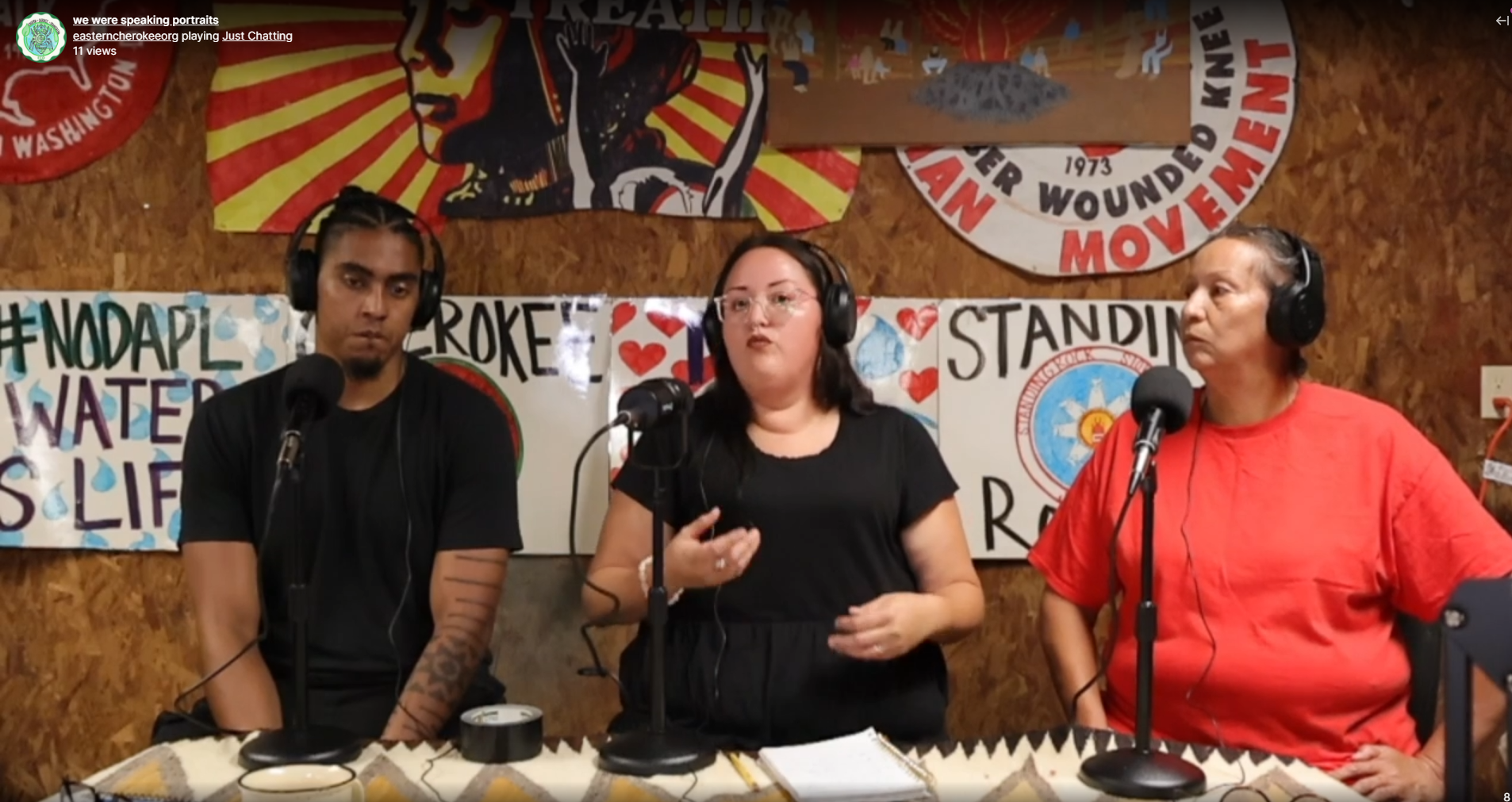
Audio and Solar tech Govinda Dalton and Digital-Social Media Coordinator Eddie Saunsoci then headed to Cherokee, NC, over the summer to help IEN IJT Organizer Mary Crowe and half a dozen members of the local ECO organization with its podcast setup. In September, the team collaborated with sister organization, the Just Transition Alliance (JTA), to produce a variety of media for a gathering of Indigenous communities and organizations during the INC 5.2 plastics treaty negotiations meeting in Geneva, Switzerland. In October, communications staff and volunteers traveled to New York, NY, where they conducted interviews with participants raising their voices during actions and events related to the 2025 NYC Climate Week, the world’s largest event partnering with the UN during the UN General Assembly.
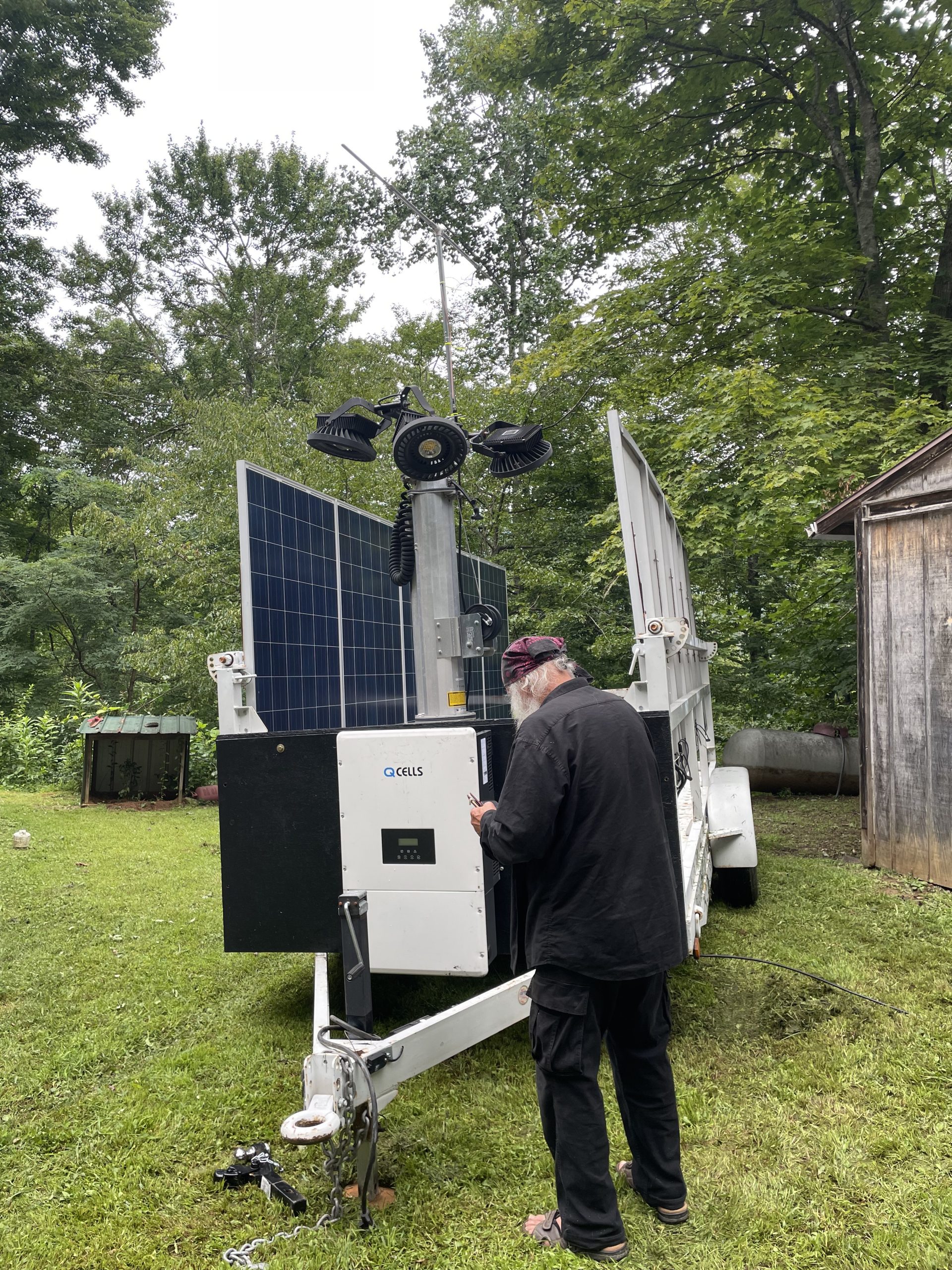
Also in late spring, Govinda traveled through the southwest and into Oklahoma and Nebraska to assist frontline communities in obtaining and installing radio and small portable solar equipment.
His travels continued throughout the summer to Indigenous communities in North Carolina, Arizona, and Oregon. In the fall, he assisted other communities in the south Louisiana bayous, then attended the Salish Sea Assembly to lend a hand recording interviews for a webcast.
Finally, for three weeks in November, the team worked late hours and weekends to create outreach materials for IEN-hosted panel discussions. The team collaborated with several allied organizations to share the work of their delegations to the 30th UN Climate Change Conference of Parties (COP30) held in the city of Belém, in Brazil, South America, utilizing a variety of media, including radio, an array of organizational publications, websites, and interviews with reporters from the US and as far away as France.
The IEN Indigenous Feminisms program had a highly productive year focused on international engagement, writing and creating curriculum, movement-building, and Indigenous women’s leadership in climate and environmental justice spaces.
2025 began with Feminisms Educator Claire Charlo attending the 4th International Indigenous Women’s Symposium on Environmental Violence in Guatemala City, Guatemala, where the global convening strengthened connections among Indigenous women addressing environmental violence and climate justice.
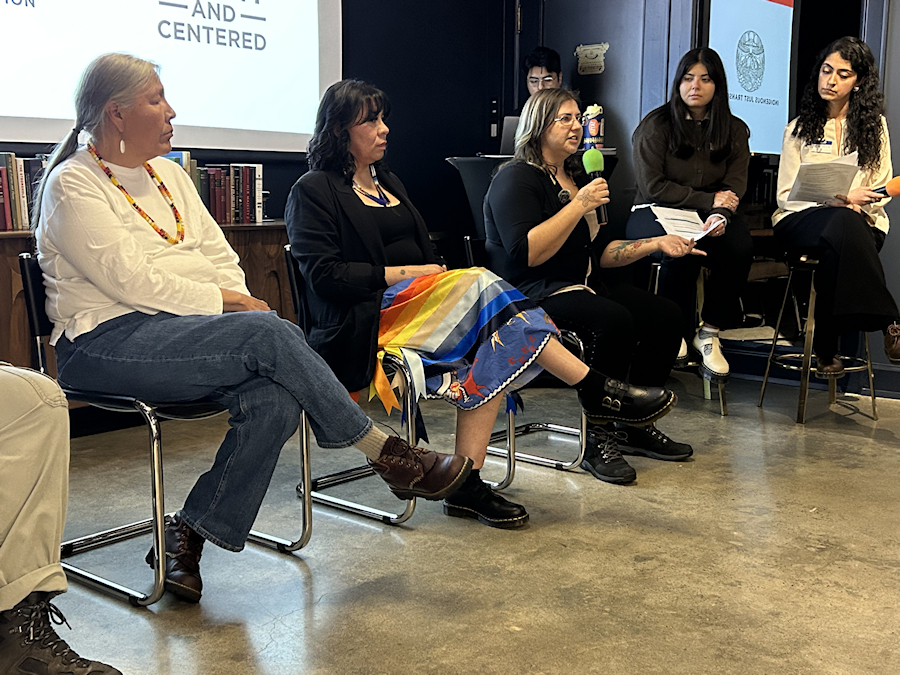
In April 2025, during the UN Permanent Forum on Indigenous Issues (UNPFII) in New York City, N.Y., the team collaborated with Cultural Survival to co-host a panel discussion and a small Indigenous craft fair. The team also participated in the Global Indigenous Women’s Caucus and the Global Indigenous Caucus, prior to UNPFII. While there, they conducted interviews with Indigenous women and Two-Spirit people focused on climate justice, culminating in a panel centering Global North and Global South Indigenous women and youth voices.
In June, Claire attended the UNFCCC SB62 sessions in Bonn, Germany, serving as Agriculture Co-Lead for the Women and Gender Constituency (WGC). She delivered a presentation to an Agriculture and Food Security workshop and was nominated by the constituency to deliver the closing statement during the final plenary.
In August, Claire Charlo and Remi Still Smoking (Little Shell Chippewa Cree youth rep) co-hosted a youth climate gathering in Wabasca, Big Stone Cree Nation, Treaty 8 territory, alongside Tally Terena of the Terena Nation of Brazil. Invited by Dr. Angele Alook, professor of Gender Studies at York University, and member of the BigStone Cree Nation, the intergenerational gathering centered on land-based learning, cultural exchange and youth leadership, with elders and youth participating in traditional skills and discussions on global and community-based climate work.
In September, Claire was nominated by the WGC to attend the UNFCCC Standing Committee on Finance at the Food and Agriculture Organization of the UN, Rome, Italy, and supported the participation of Tally Terena representing the Indigenous Peoples Constituency. In October, she attended the Civil Society and Indigenous Peoples Mechanisms Forum and the subsequent Committee on Food Security sessions.
In November, Claire joined an IEN delegation in Seattle, WA, for the 82nd NCAI annual convention, engaging with the Violence Against Women Task Force, the International Committee and interviewing Indigenous women and Two-Spirit people on climate justice. While not attending the UN COP30 in person, as Agriculture Co-Lead, Claire also closely coordinated the drafting of interventions and supported colleagues of the Wom