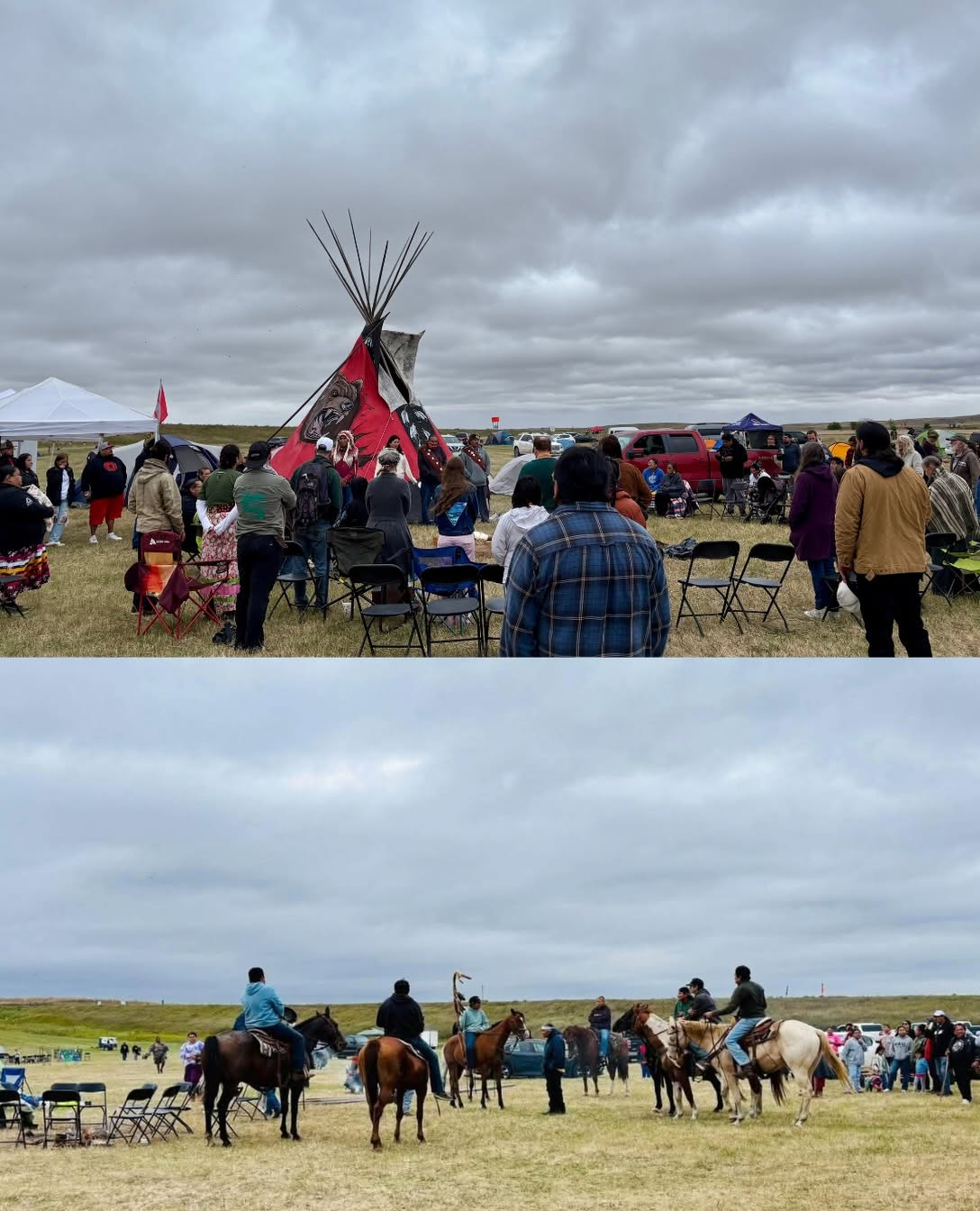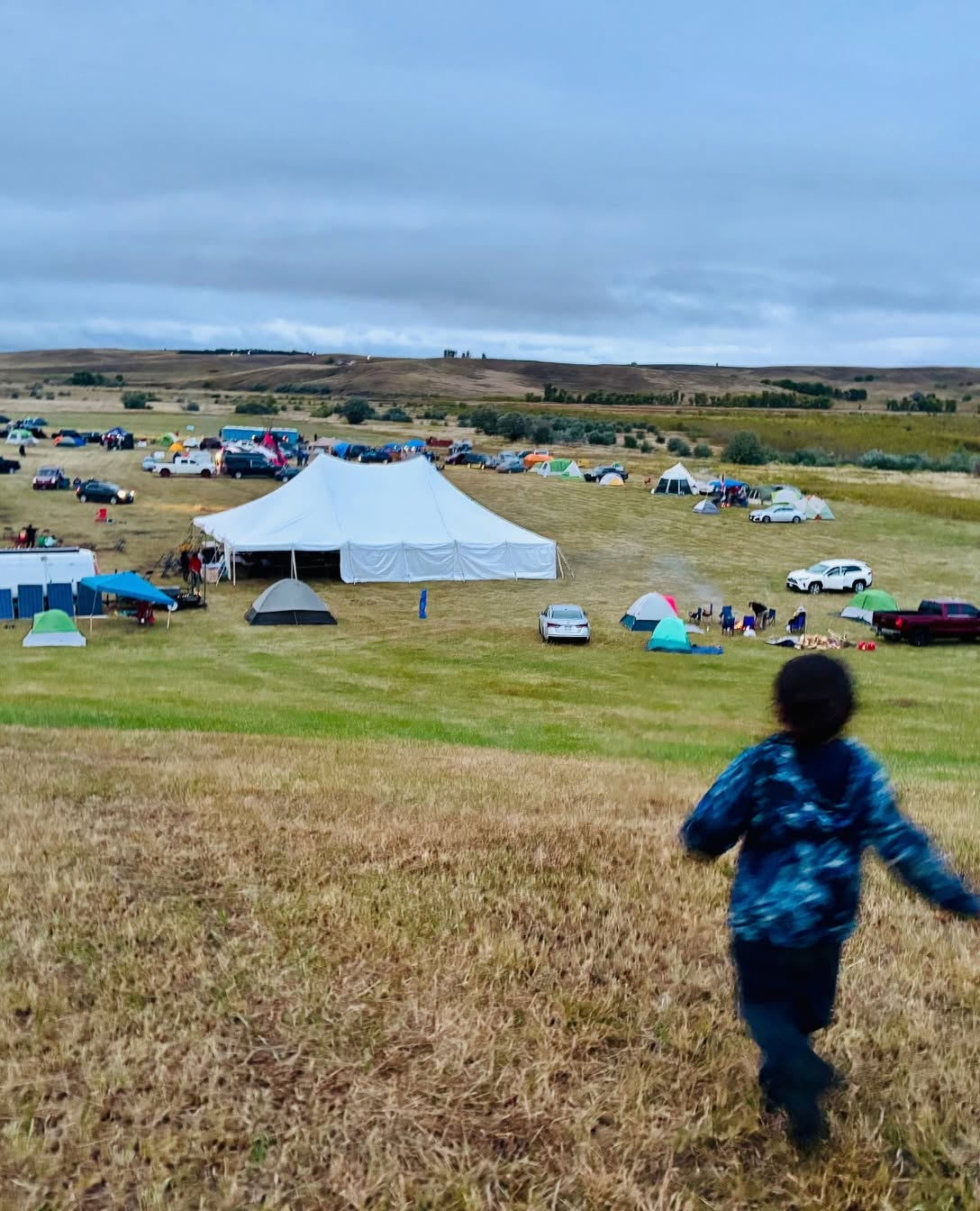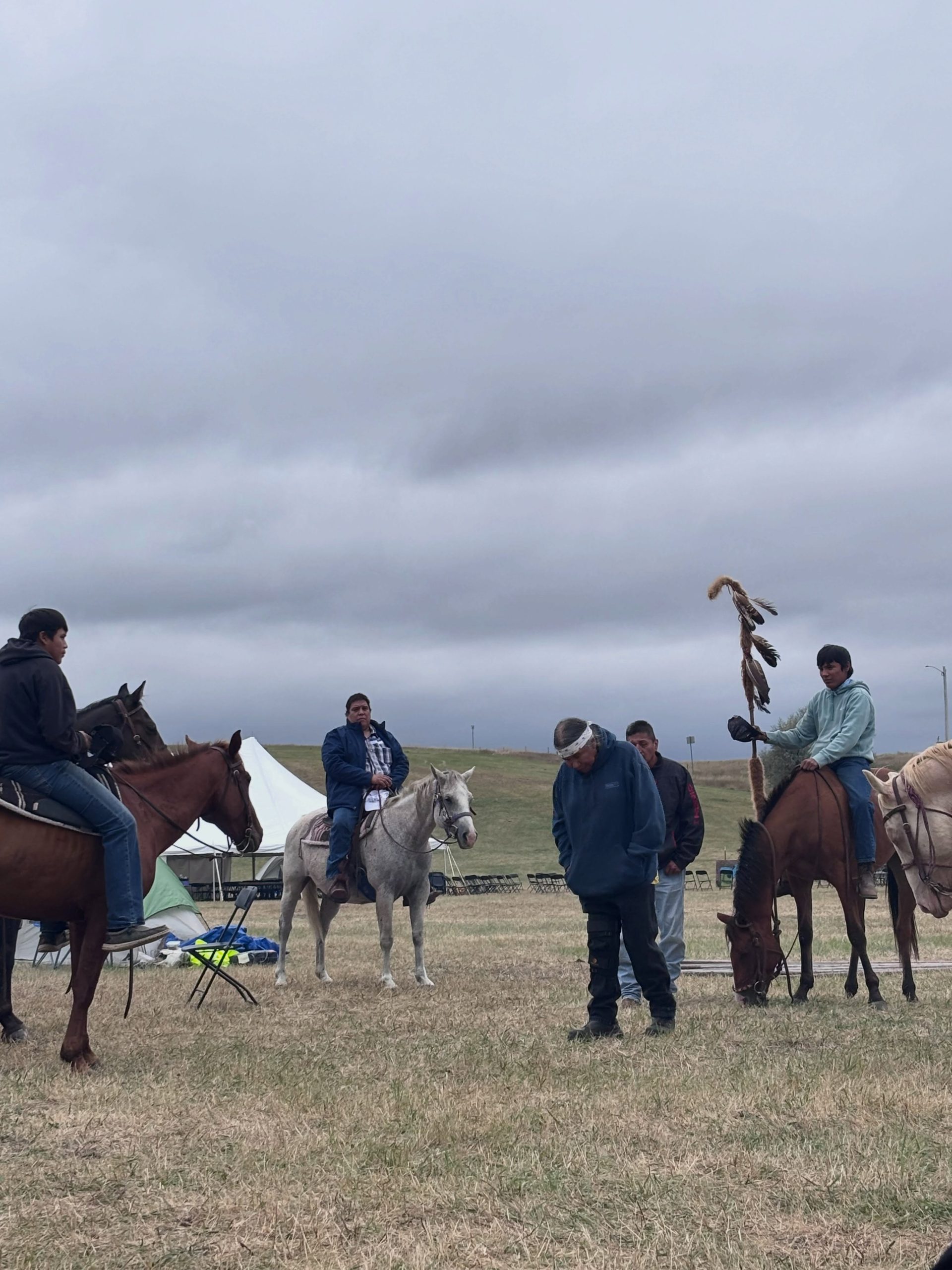
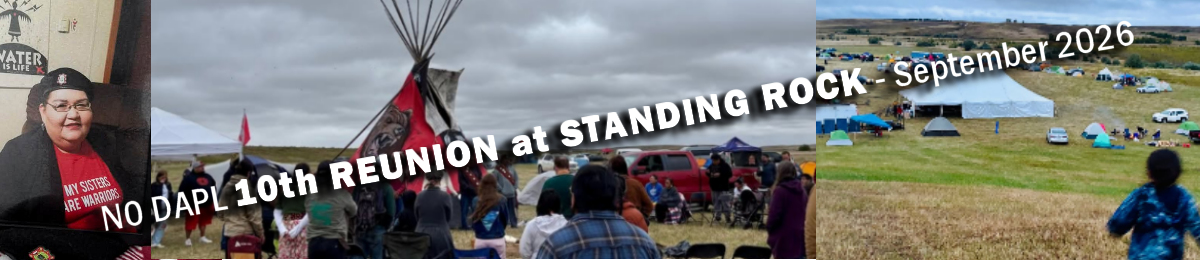
Sept. 17–20, 2026.
It is impossible to briefly summarize the NoDAPL fight and what it meant to us all. For the months we stood in Radical indigenous space, yes in ceremony and prayer, but also Direct Action. There were many conflicts external and internal so many of left feeling more broken than victorious.
Attendees pitched tents, a tipi, an outdoor kitchen, and a first-aid station. They erected a stage so people could stand before their friends and relatives and share their stories. Many faces familiar to those who took part in the uprising spoke about how Standing Rock changed their lives.
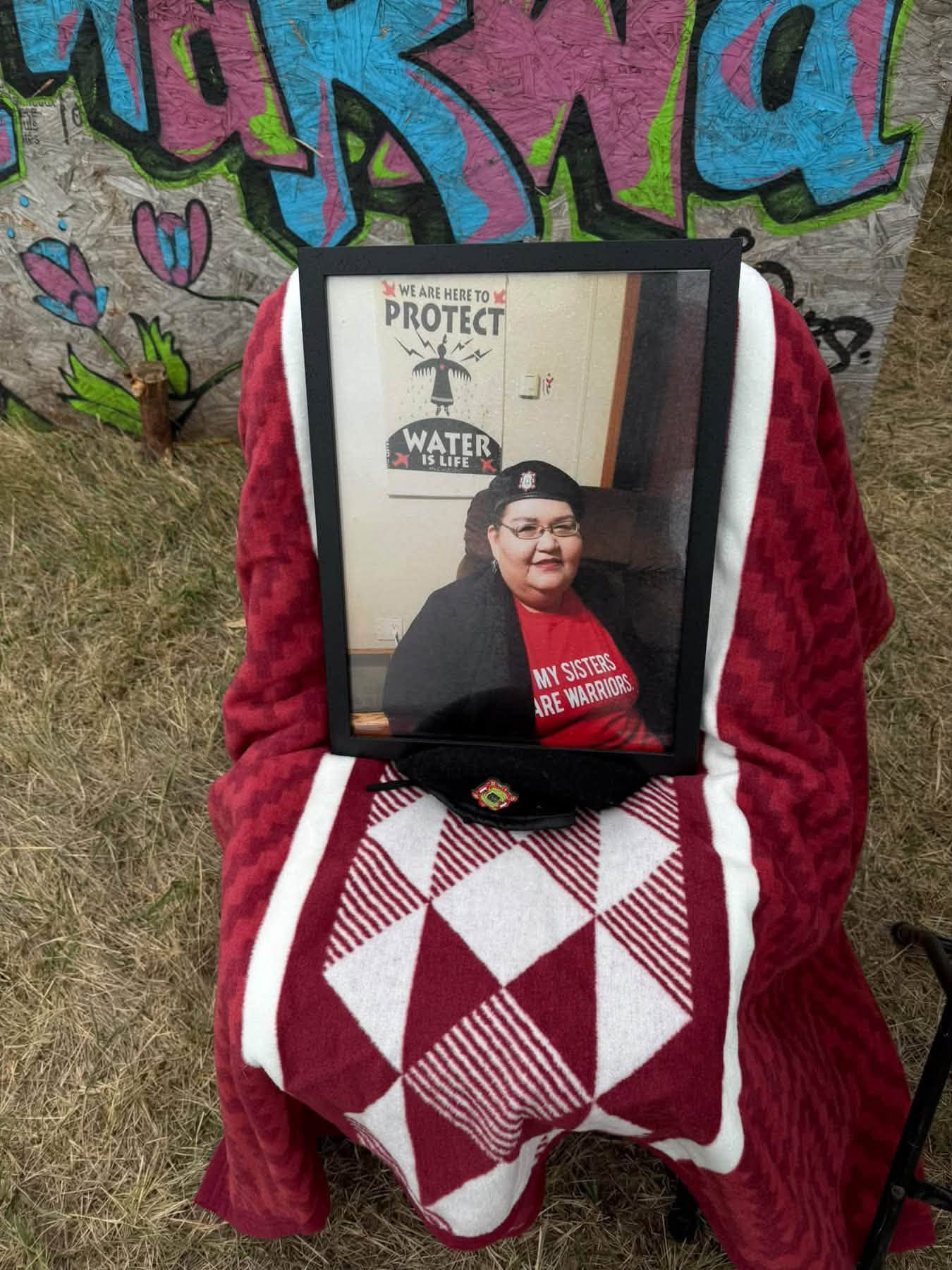
Healing and mourning was a central theme at the reunion. Tasina Sapa Win of Cheyenne River told those gathered that “these past 10 years, I fell into a really dark place, something I’m not really proud of, but it’s a part of my story and it’s a part of the story of a lot of folks who left camp.”
For so many of there are mixed feelings, joy at reuniting with people we stood beside during a brutal North Dakota winter, but also the difficulty of remembering the violence we collectively experienced on the frontlines.
The original camp grew to one of the largest gatherings of Native Americans in decades and brought “Mni Wiconi”, Water is Life, into the mainstream. Authorities forcefully cleared the camp in 2017, and the pipeline was eventually built. But the sentiment, the worldview, and the commitment of those who stood up in at the Oceti Sakowin Camps lives on. We may not have won but we pray for the dead and fight like hell for the living.
Click here to view a slideshow was shared during the Reunion to honor those who have passed on.