Primary goal for this session is to lay the technical and political groundwork for major global climate decisions ahead of COP31 UN Climate Change Conference taking place in Antalya, Türkiye in November.
Major Negotiation Themes Fossil Fuel Transition
Notes:
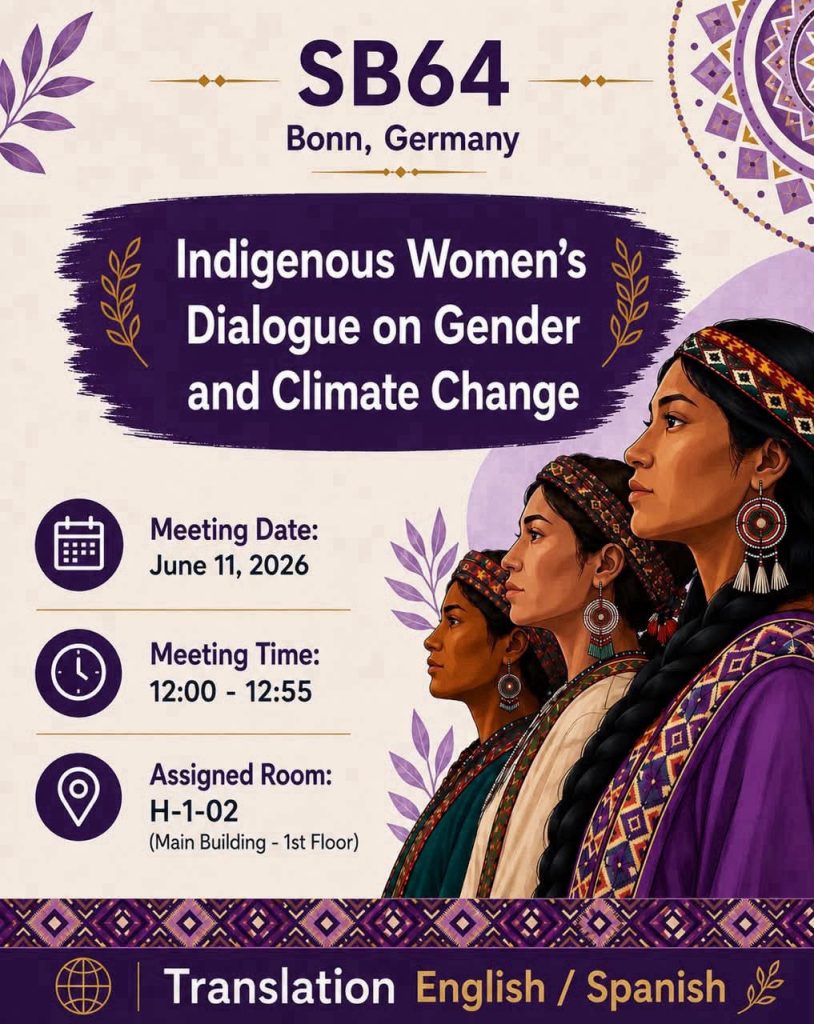
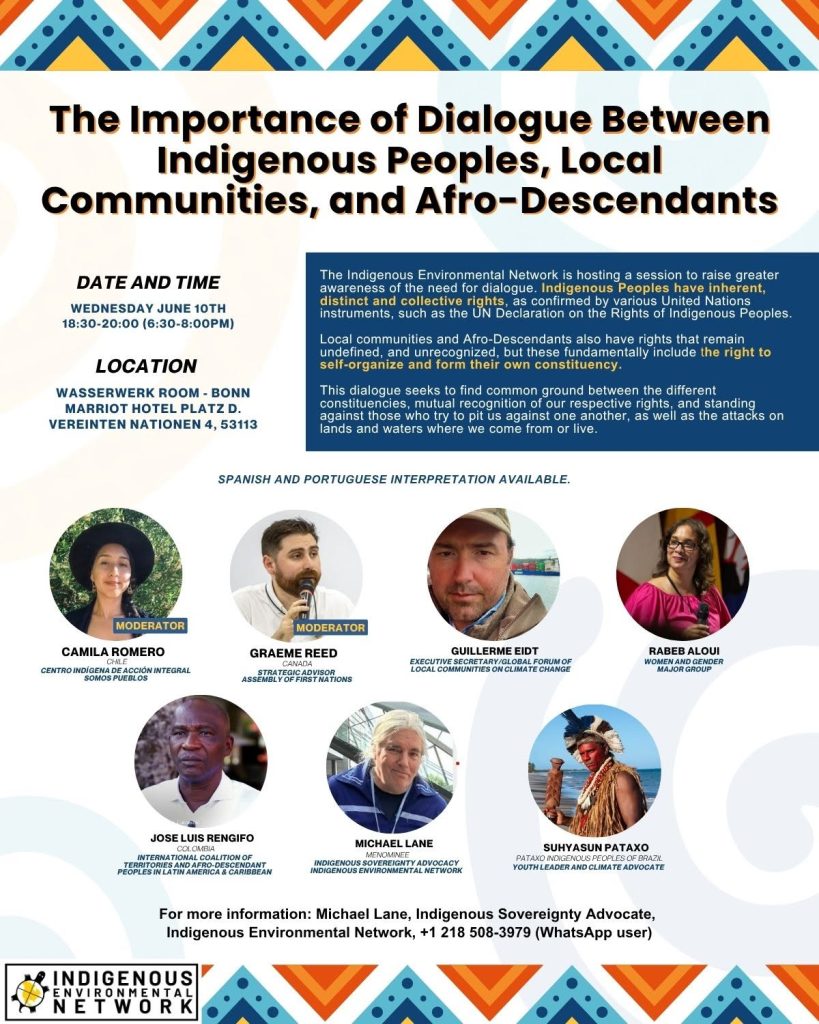
The panel discussed the urgent need for formal recognition of Afro-descendant peoples as a specific constituency within the United Nations Framework Convention on Climate Change (UNFCCC). Participants highlighted the disproportionate impact of climate change on Black communities globally, the value of local and ancestral knowledge in adaptation, and the systemic exclusion of Afro-descendant voices from international climate negotiations.
Global Afro Descendants Movement and Constituency Goals
Local Empowerment in Antigua and Barbuda
Marine Ecosystems Protected Areas Trust.
Climate Justice and False Solutions in the Gulf South
Gulf South, Mississippi, and stewards education environmental, and health organizations.
Displacement and Solidarity Economies
“Archive the Diaspora” project to address the double burden faced by Black African diaspora youth.
Racial Inequality and Urban Adaptation in Brazil
Instituto de Referência Negra Peregum in Brazil.
Systemic Barriers and Demands
Identifies the capital in capitalism as the literal bodies and labor of African ancestors.
Action Items
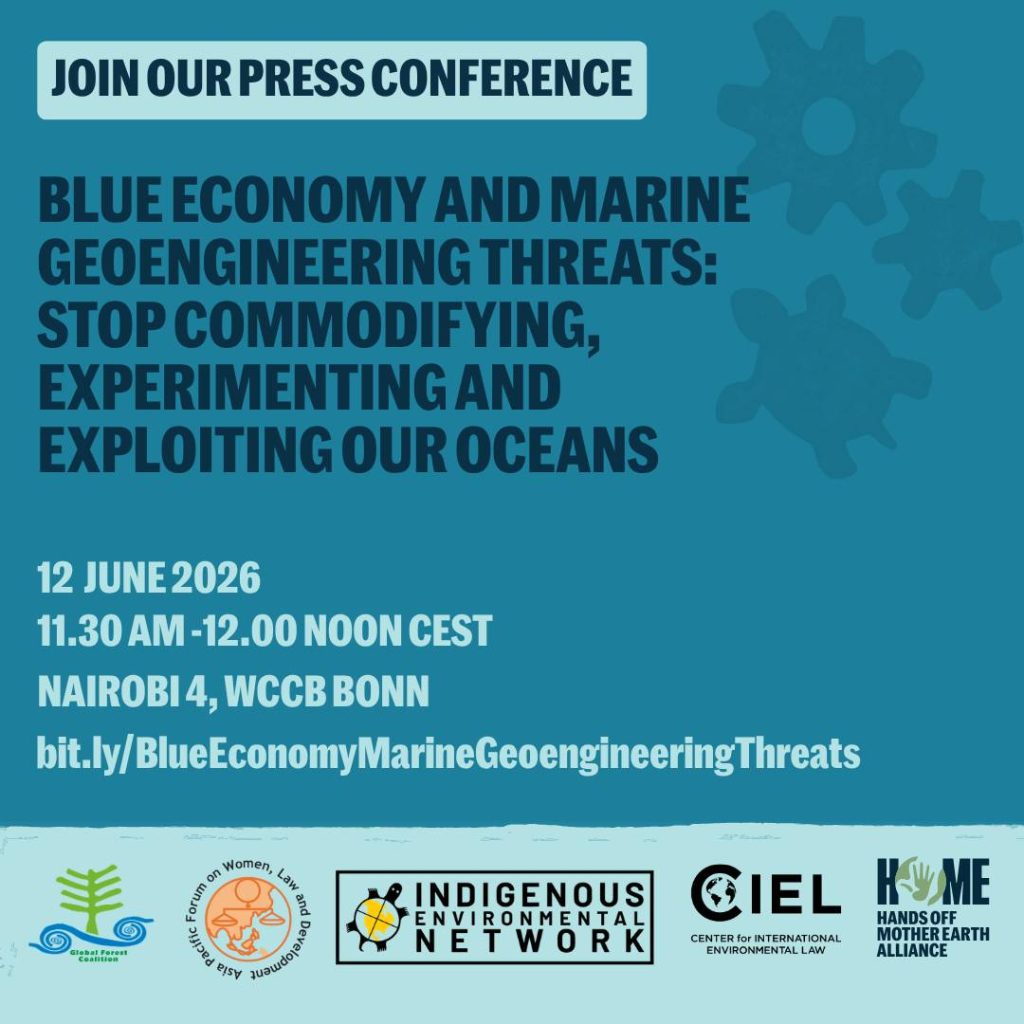
12 June 2026
Bonn, Germany
Civil society organizations, Indigenous Peoples, and climate justice groups gathered today at the UN climate negotiations SB64 to raise urgent concerns over blue economy initiatives and the growing push for marine geoengineering. Framed as climate solutions, these approaches are false solutions and dangerous distractions that deepen extractivism, enable destructive development models, and divert attention from real and just solutions to the climate crisis.
My thanks for the opportunity to brief you on how UNEP is supporting Member States to tackle global environmental challenges through science, data and policy support in complex times.
And these times are indeed complex. We are seeing shifting alignments. Rapid advances in Artificial Intelligence (AI) and other technologies. Growing trade and investment frictions. Growing competition for critical resources – hydrocarbons, minerals, land and water – all with significant environmental and social implications. A rise in disasters and conflicts, which are increasing already intense pressures on the environment and human well-being. The war in the Middle East makes this painfully clear.
Amid this background, our resolve to address the world’s environmental crises must grow stronger. Because environmental damage and associated economic disruption ripple across borders and contribute to forced migration, displacement, food shortages and more. You can be assured that UNEP’s resolve is stronger than ever. As the United Nations’ leading global authority on the environment, the organization is at the heart of action we must collectively take.

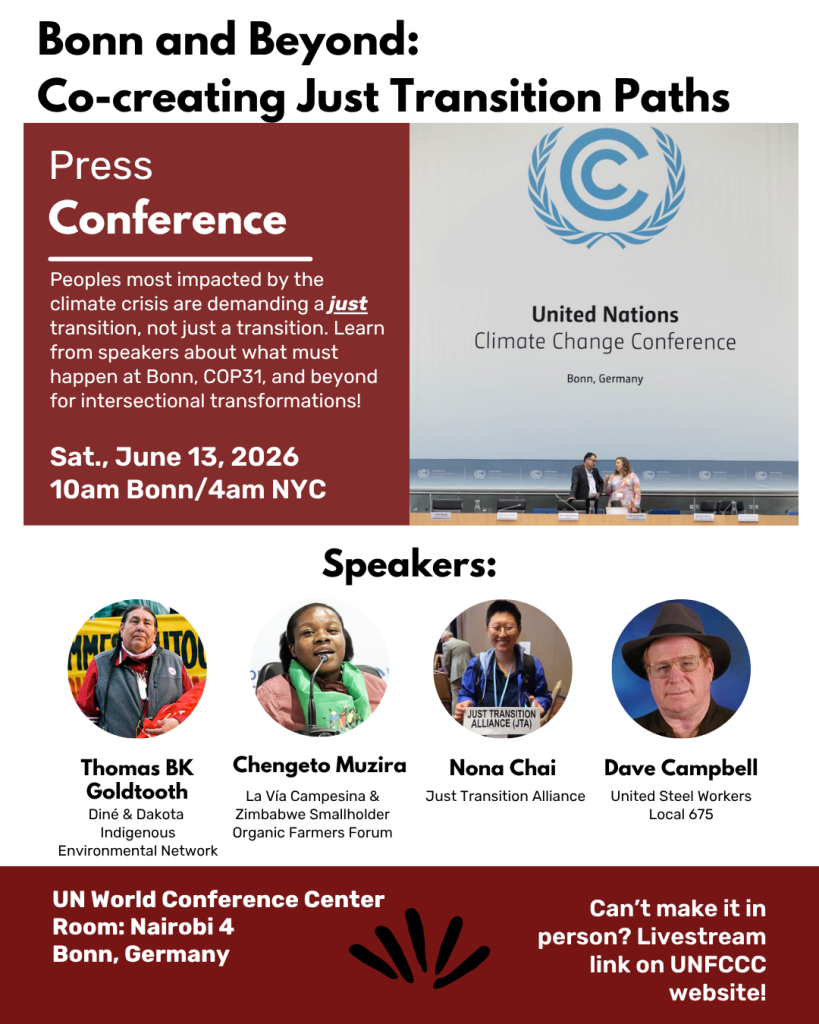
he Just Transition Alliance, United Steelworkers Local 675, Indigenous Environmental Network, and La Via Campesina met in Bonn, Germany, to advance the Just Transition Work Program within the UNFCCC framework. The panel emphasized the necessity of centering Indigenous peoples, small-scale farmers, and frontline workers as rights holders rather than beneficiaries. Key outcomes included a demand for the full operationalization of the Belém Antalya Mechanism (BAM) by 2027 and a rejection of market-based solutions and debt-heavy finance.
Indigenous Rights and Self-Determination
Tom Goldtooth defined Indigenous peoples as rights holders and guardians of Mother Earth.