August marks the beginning of the harvest season for many communities across northern Minnesota. While some of the early summer berries are beginning to wane, late-season fruits are coming on strong, with plums, apples, and other fruits beginning to ripen. Across the region, the landscape is shifting from the abundance of midsummer toward the gathering and preservation of foods and medicines that will sustain communities through the coming seasons.
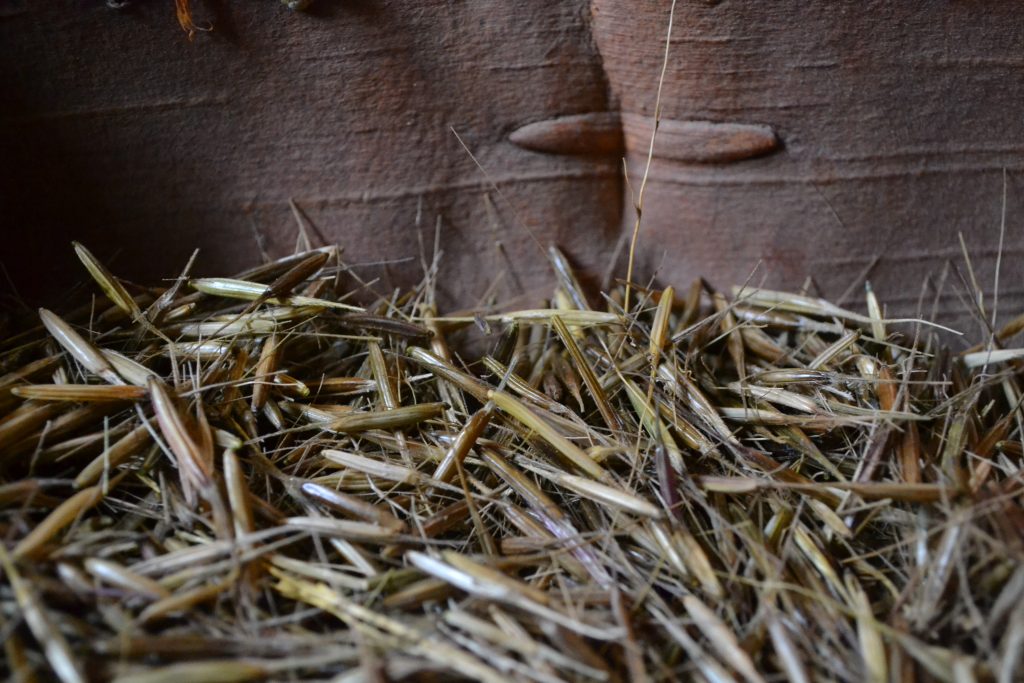
Wild rice in a birch basket.
August is also a significant time for manoomin/psin (wild rice). As the rice ripens across northern Minnesota and Wisconsin, community members are busy on the water gathering this culturally important staple food. Harvesting manoomin/psin is much more than gathering food—it is a practice that connects people to water, land, family, community, and generations of knowledge. The health of the rice beds is deeply connected to the health of the waters and the broader ecosystems that sustain them.
At the same time, water protectors and Indigenous communities across the North continue to stand up for the protection of manoomin/psin and the waters where it grows. Proposed and ongoing mining and pipeline projects pose serious concerns for wild rice waters, wildlife habitat, and the long-term health of Indigenous communities. Protecting manoomin/psin means protecting the waters and the relationships that have sustained communities for generations.
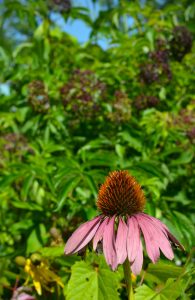
Echinacea and Ederberries
Here at the IEN Teaching Garden, our gitigaan is bursting with food, flowers, and medicines. Echinacea, elderberry, anise hyssop, and many other plants are thriving.
On August 29, the IEN Teaching Garden crew joined the local Bemidji Pride Festival at the Railriver Folk School in Bemidji, Minnesota. The annual festival takes place at the same community hub where the IEN Teaching Garden and IEN office are located, making it a natural opportunity to bring the garden and our land-based work into conversation with the broader community.
On August 29, the IEN Teaching Garden crew joined the local Bemidji Pride Festival at the Railriver Folk School in Bemidji, Minnesota. The annual festival takes place at the same community hub where the IEN Teaching Garden and IEN office are located, making it a natural opportunity to bring the garden and our land-based work into conversation with the broader community.
IEN has maintained a longstanding relationship with the Bemidji Pride community and has supported local Pride efforts over the years. Our participation in the festival reflects the importance of building relationships across our community and creating spaces where people can come together, share knowledge, and celebrate one another.
Garden Associate DJ Seki and volunteer Joe helped staff the IEN Teaching Garden table throughout the event, connecting with festival participants and sharing information about the garden and its ongoing programs.
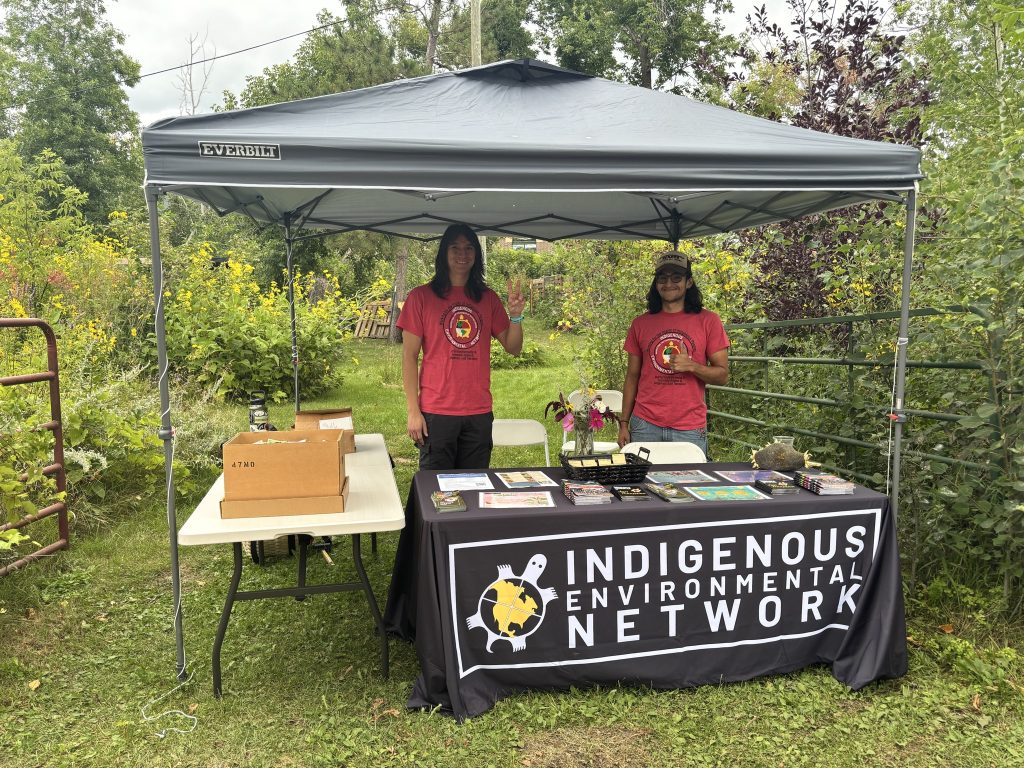
DJ and Volunteer at Pride fest 2026
At the same time, Garden Manager Kaylee Carnahan welcomed visitors into the gitigaan and offered tours of the garden, giving community members an opportunity to see the food, medicines, pollinator habitat, and other projects growing throughout the space.
[Image: Wild rice in birch bark basket, above on the right.]
As summer begins to transition toward fall, August reminds us of the abundance that comes from healthy land and water—and of the responsibility we share to care for those places. From gathering manoomin/psin on the water to tending medicines in the gitigaan, these seasonal practices strengthen relationships, pass knowledge between generations, and help build a more resilient and food-sovereign community.